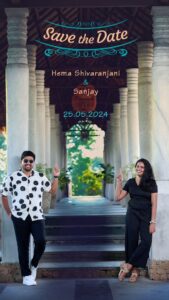

When you’re planning to announce your upcoming wedding, few settings offer the timeless elegance and spiritual significance of a temple. A save the dates photoshoot temple session combines the sacred beauty of religious architecture with the joy of your engagement, creating images that resonate with cultural heritage while announcing your special day. Whether you’re drawn to the intricate carvings of South Indian temples or the serene courtyards of traditional shrines, these locations provide a stunning backdrop that tells your unique love story.
The growing trend of temple photoshoots reflects couples’ desire to honor their roots while creating contemporary, Instagram-worthy content. These sessions aren’t just about pretty pictures—they’re about weaving your cultural identity into your wedding narrative, creating memories that your family will treasure for generations.
Why Choose a Temple for Your Save the Date Photography?
Temples offer something that modern venues simply cannot replicate: centuries of history, architectural magnificence, and an atmosphere of reverence that adds depth to your photographs. The ornate pillars, detailed stone work, and play of natural light through ancient corridors create a photographer’s paradise.
Beyond aesthetics, shooting at a temple connects your modern love story to timeless traditions. Many couples find that these locations help them feel grounded in their cultural heritage during the whirlwind of wedding planning. The spiritual energy of these spaces often translates into more authentic, emotionally resonant images.
From a practical standpoint, temples in Coimbatore and across Tamil Nadu offer incredible diversity—from the towering gopurams decorated with thousands of sculpted figures to intimate sanctum spaces with beautiful lamp lighting. This variety means you can capture different moods within a single location, maximizing your photography session.
Planning Your Temple Save the Date Session: Essential Considerations
Before you arrive at your chosen temple with cameras in hand, thorough planning ensures your shoot runs smoothly and respectfully. Most temples have specific guidelines about photography, timing, and attire that must be honored.
Permission and Timing Strategies
Start by contacting the temple administration at least three to four weeks before your desired date. Many temples require written permission for professional photography, and some may charge a nominal fee. Understanding their requirements early prevents disappointment and last-minute scrambling.
The golden hours—just after sunrise and before sunset—offer the most flattering natural light for temple photography. Morning sessions between 6:30 AM and 8:30 AM often work best, as temples are less crowded and the soft morning light creates a magical glow on stone surfaces. If you’re planning an elaborate pre-wedding shoot, these timing considerations become even more critical.
Some temples close during midday prayers or certain festivals, so verify the schedule beforehand. Weekend mornings might seem convenient, but they often bring larger crowds that can complicate your shoot. Weekday mornings typically offer more privacy and flexibility.
Dress Code and Cultural Sensitivity
Respecting temple dress codes isn’t just about following rules—it’s about honoring the sacred space and creating authentic images. Traditional attire naturally complements temple architecture better than modern Western clothing.
For women, silk sarees in rich jewel tones photograph beautifully against stone temple walls. Kanjeevaram sarees with gold zari work create stunning visual contrast, while the drape adds graceful movement to your photos. Half-sarees, pattu pavadai, or elegant salwar kameez also work wonderfully. Ensure your outfit provides adequate coverage—shoulders and knees should be covered in most temple premises.
Men can opt for traditional veshti with an angavastram, silk kurtas, or formal pancha-kachham. Avoid clothing with bold logos, graphics, or anything that might be considered disrespectful in a religious setting. Coordinating colors between partners creates visual harmony without being overly matchy-matchy.
Remember that most temples require removing footwear before entering certain areas. Plan your outfit accordingly and bring attractive traditional footwear for exterior shots. Your save the date photoshoot should feel authentic to both the location and your personal style.
Stunning Temple Photography Locations in Coimbatore
Coimbatore’s rich temple heritage provides numerous options for couples seeking the perfect backdrop. Each temple offers distinct architectural features and atmospheric qualities that can elevate your save the date photos.
The Perur Pateeswarar Temple, one of the oldest in the region, features exquisite stone carvings and spacious corridors ideal for couple portraits. The massive ancient tree in the courtyard provides natural framing opportunities, while the temple tank reflects surrounding structures beautifully during calm mornings.
Marudhamalai Murugan Temple, perched on a hill, offers panoramic views alongside traditional architecture. The steps leading to the main shrine create dynamic compositional lines, and the elevated location provides unique perspective shots that showcase both the temple and surrounding landscape.
For couples drawn to more intimate settings, the Eachanari Vinayagar Temple combines accessible architecture with beautiful lighting conditions. The smaller scale allows for more controlled photography while still delivering authentic temple atmosphere.
Many couples also explore temple wedding photography spots in Coimbatore that work equally well for save the date sessions, offering variety within a single city.
Creative Poses and Compositions for Temple Settings
Temple architecture naturally suggests certain photographic compositions, but creativity transforms standard shots into memorable images. Understanding how to work with the space elevates your final gallery.
Working with Architectural Elements
Pillared corridors create natural leading lines that draw the viewer’s eye toward the couple. Position yourselves at the end of a colonnade for dramatic perspective, or use the pillars to frame intimate moments between columns. The repetition of architectural elements adds rhythm and visual interest to your compositions.
Doorways and arched entrances work as natural frames-within-frames. Stand slightly back from an ornate doorway with the couple positioned in the opening, using the carved details to create a border around your subjects. This technique connects the couple to the temple environment while maintaining them as the focal point.
Staircases offer dynamic opportunities—shoot from above looking down, from below looking up, or position the couple at different levels for dimensional interest. The lines created by steps guide the viewer’s eye through the image while adding geometric structure.
Capturing Authentic Moments
While posed portraits have their place, the most memorable images often capture genuine interaction. Whisper something that makes your partner laugh, share a private joke, or simply stand together quietly observing the temple atmosphere. These authentic moments photograph beautifully and feel more emotionally resonant than stiff posed shots.
Incorporate traditional gestures like offering flowers together, lighting a lamp, or the simple act of adjusting each other’s traditional attire. These culturally grounded moments feel natural in temple settings and add narrative depth to your save the date story.
Movement brings life to photographs—the swish of a saree, walking hand-in-hand through corridors, or twirling to show off your traditional outfit creates energy and spontaneity. Don’t be afraid to move naturally through the space rather than staying rigidly posed.
Lighting Techniques for Temple Photography
Temple lighting presents unique challenges and opportunities. The contrast between bright outdoor courtyards and darker interior spaces requires thoughtful approach and technical skill.
Mastering Natural Light in Temple Spaces
Many temple interiors feature beautiful dappled light filtering through carved stone screens or wooden lattices. Position yourselves where this filtered light falls naturally, creating soft, flattering illumination with interesting patterns. These light-and-shadow play moments add artistic dimension to your photographs.
Doorways and windows create zones of transition between dark and light. Position the couple in these threshold areas where soft indirect light illuminates faces while the surrounding darkness adds drama and focus. This technique works especially well for intimate, romantic shots.
Reflective surfaces like temple tanks or polished floors can be used strategically. Shoot during calm weather when water surfaces reflect architectural details, doubling the visual impact. Early morning sessions typically offer the stillest water conditions.
Supplemental Lighting Considerations
While natural light should dominate temple photography, subtle supplemental lighting can fill harsh shadows without overwhelming the ambient atmosphere. Small, diffused reflectors bounce existing light onto faces, maintaining natural appearance while ensuring proper exposure.
For interior shots where existing light proves insufficient, minimal off-camera flash bounced off walls or ceilings supplements without creating obvious artificial lighting. The key is subtlety—lighting should enhance rather than replace the natural temple atmosphere.
Traditional oil lamps or diyas create warm, intimate lighting perfect for close-up shots. Incorporate these light sources naturally into your composition, allowing their soft glow to illuminate faces for emotional, atmospheric images.
Traditional vs. Contemporary Styling Approaches
Your save the dates photoshoot temple session can lean heavily traditional, embrace contemporary fusion, or blend both aesthetics seamlessly. Understanding different styling approaches helps you define the look you want.
Full Traditional Approach
A completely traditional shoot honors cultural heritage through every element—from attire to props to poses. This approach feels authentic and timeless, creating images that could span generations. Heavy silk sarees, traditional jewelry, and cultural props like brass vessels, traditional umbrellas, or flower baskets reinforce the heritage aesthetic.
Poses in traditional shoots often reference classical dance mudras or recreate vintage photograph compositions. The styling is formal and dignified, emphasizing respect for both tradition and the sacred space. This approach particularly appeals to families with strong cultural values and creates images that feel appropriate for traditional wedding invitations.
Contemporary Fusion Style
Many couples prefer blending traditional elements with modern sensibilities. You might wear traditional attire but incorporate contemporary poses, candid moments, and lifestyle photography techniques. This approach feels fresh while remaining culturally grounded.
Contemporary fusion might include traditional sarees styled with modern jewelry, mixing vintage and modern props, or incorporating creative composition techniques like silhouettes, reflections, and unconventional angles. The result is culturally respectful but distinctly current, appealing to couples who want their save the dates to feel Instagram-ready while honoring heritage.
Finding Your Personal Balance
The best approach reflects your authentic style as a couple. Consider your wedding theme, your audience, and which images will feel most “you” when you look back years later. Many couples find that variety serves them best—capturing some fully traditional portraits for family alongside more contemporary lifestyle shots for social media.
Discuss styling with your photographer well before the shoot, sharing inspiration images that capture the feel you want. Looking through examples of creative save the date ideas can help clarify your vision and ensure everyone’s aligned on the aesthetic direction.
Props and Details That Enhance Temple Photoshoots
Thoughtfully chosen props add layers of meaning and visual interest to your temple save the date session without overwhelming the architectural beauty of the setting.
Traditional Props with Cultural Significance
Brass or bronze vessels, traditional lamps, and pooja thalis naturally belong in temple settings and photograph beautifully. A brass lamp held between you symbolizes illuminating your path together, while traditional vessels can be filled with flowers for visual appeal.
Fresh flower garlands, loose flowers, or flower petals add color, texture, and movement. Jasmine, roses, and marigolds are culturally appropriate and photograph beautifully. Scattering petals, exchanging garlands, or simply holding a single flower creates focal points and adds narrative moments.
Traditional umbrellas (kudai) in vibrant colors provide both visual impact and functional purpose during sunny outdoor shoots. The circular shape creates interesting framing opportunities, and the bold colors contrast beautifully with stone architecture.
Modern Elements That Work
Chalkboard signs with your wedding date written in elegant calligraphy work surprisingly well when styled thoughtfully. Keep the design simple and elegant rather than overly cute or casual—this maintains respect for the setting while clearly announcing your date.
Printed save the date cards or invitations can be incorporated naturally—holding them together, him presenting it to her, or a detail shot of the card against architectural elements. This clearly communicates the purpose of your shoot while adding a tangible element.
Balloons, while popular for save the dates, require careful consideration in temple settings. If used at all, opt for metallic or neutral tones in small quantities rather than rainbow colors or excessive numbers that might feel inappropriate for the sacred space.
Working with Professional Photographers for Temple Sessions
Choosing the right photographer makes the difference between okay images and extraordinary ones that capture both the beauty of the location and the emotion of your announcement.
Finding Temple Photography Specialists
Not all photographers have experience with temple shoots or understand the nuances of working in religious spaces. Look for photographers whose portfolios demonstrate familiarity with temple photography—they’ll know how to work with challenging lighting, respect cultural protocols, and capture the architecture effectively.
Ask potential photographers about their experience with temple shoots specifically. Have they worked at your chosen temple before? Do they understand required permissions and dress codes? Are they comfortable working within temple guidelines and timing constraints? Experience matters significantly in these specialized environments.
Review how they’ve handled similar sessions—do their images respect the sacred space while still feeling creative and fresh? Do they capture authentic moments alongside posed portraits? Their portfolio should demonstrate technical skill with natural light, compositional creativity, and cultural sensitivity.
Communicating Your Vision
Share inspiration images, but go beyond showing what you like—explain why certain images resonate with you. Talk about the mood you want, whether you prefer traditional or contemporary styling, and which elements matter most to you. Clear communication prevents mismatched expectations.
Discuss the shot list together, but remain open to photographer suggestions based on their experience. They may know angles, locations within the temple, or timing considerations you haven’t considered. Collaboration produces better results than rigid direction.
Plan for a pre-shoot consultation if possible, ideally visiting the temple together beforehand. Walking the location together allows you to identify ideal spots, understand the space’s flow, and develop a shooting plan that maximizes your time and the location’s potential.
Overcoming Common Temple Photoshoot Challenges
Temple photography presents specific challenges that proper planning and professional experience can navigate successfully.
Managing Crowds and Privacy
Even during less busy times, temples attract devotees and visitors who may inadvertently wander into shots. Patience and flexibility help—take breaks when crowds increase, or work with your photographer to frame shots that minimize background distractions.
Some photographers use longer focal length lenses to compress perspective and isolate subjects from busy backgrounds. This technique keeps focus on the couple while artistically blurring surrounding activity into soft context rather than distracting detail.
Consider scheduling weekday early morning sessions when possible. The combination of early timing and weekday scheduling minimizes crowds while providing beautiful soft light. The minor inconvenience of a 6 AM start time pays dividends in privacy and lighting quality.
Navigating Lighting Contrasts
Temples often feature extreme contrast between bright outdoor courtyards and dark interior spaces. Your eyes adjust naturally, but cameras struggle with this dynamic range. Professional photographers use techniques like HDR imaging, exposure bracketing, or graduated neutral density filters to manage these contrasts.
Work with your photographer to identify areas with more balanced lighting—perhaps in covered outdoor areas that provide shade without complete darkness, or near doorways where interior and exterior light mix naturally. These transition zones often offer the most flattering, manageable lighting conditions.
Accept that some limitations exist—certain interiors may be too dark for quality images without artificial lighting that temples don’t permit. Focus your session on spaces that work rather than forcing shots in challenging locations.
Weather Considerations
Outdoor temple photography depends significantly on weather cooperation. Cloudy days actually offer advantages—soft, even lighting without harsh shadows that bright sun creates. Don’t automatically assume sunny days produce the best images.
Have a backup date or rain plan discussed with your photographer beforehand. Some covered temple areas work beautifully even in rain, with the wet stone surfaces creating interesting reflections and the diffused light offering unique atmospheric qualities.
Check weather forecasts closely as your date approaches, but understand that conditions can change quickly. Flexibility and a positive attitude help you work with whatever weather provides rather than fighting against it.
Incorporating Save the Date Details Naturally
While the primary focus is beautiful couple portraits, your images should clearly communicate that you’re announcing your wedding date. Integrating this information feels natural with creative approaches.
Typography and Signage Integration
Temporary signage with your names and wedding date can be incorporated tastefully. Choose elegant fonts and colors that complement the temple setting—gold calligraphy on dark backgrounds, or simple white lettering on natural wood boards work well.
Position signage thoughtfully rather than holding it prominently in every shot. Lean it against a pillar in the background of a romantic embrace shot, place it at your feet while you look at each other, or have one image dedicated to displaying it clearly while other shots focus purely on your connection.
Consider having your date inscribed temporarily in traditional kolam art with rice flour or flower petals. This culturally appropriate approach communicates your information while honoring traditional art forms, creating images that feel both meaningful and beautiful.
Card and Invitation Props
If you’ve already designed save the date cards, incorporate them naturally into a few shots. A detail shot of the card held together, placed on temple steps with selective focus, or carried naturally while walking works better than awkwardly displaying cards toward the camera.
The goal is announcing your date while maintaining the artistic integrity of your images. The most effective save the dates communicate information clearly without making every image feel like an advertisement. Balance is key—some images clearly show your date, while others focus purely on the romance and beauty of the location.
Post-Production Considerations for Temple Photography
How your images are processed significantly impacts their final feel. Understanding post-production possibilities helps you communicate your preferences to your photographer.
Color Grading Approaches
Temple photography lends itself to various color treatment options. Rich, warm tones emphasize the golden stone and traditional attire, creating images that feel timeless and heritage-focused. This approach enhances the cultural authenticity of temple settings.
Alternatively, subtle desaturation with selective color emphasis creates contemporary, editorial looks while maintaining the location’s character. Perhaps vibrant colors in your attire pop against more muted architectural backgrounds, drawing focus to you as a couple.
Discuss color preferences with your photographer, ideally reviewing sample edits before final processing. Some couples prefer consistent editing throughout their gallery, while others enjoy variety—perhaps traditional warm tones for formal portraits and more contemporary processing for lifestyle candids.
Retouching and Enhancement
Professional retouching removes temporary distractions like modern signage, electrical wires, or background elements that detract from the temple’s timeless quality. This enhancement is different from heavy manipulation—it’s about revealing the location’s beauty without contemporary intrusions.
Subtle skin retouching maintains natural texture while evening skin tones and removing temporary blemishes. Over-processing that erases all skin texture or drastically alters appearances feels inauthentic and dates images quickly. Aim for “you on your best day” rather than “you transformed into someone else.”
Ensure your photographer’s editing style aligns with your preferences before committing. Request sample edits from your actual session before full processing if you have strong style preferences or want to provide input on the editing direction.
Creating a Complete Save the Date Story
Your temple photoshoot should tell a cohesive story rather than producing disconnected individual images. Strategic variety in your shot list creates a complete narrative.
Establishing Shots
Begin with wider shots that establish the temple location—its architecture, atmosphere, and grandeur. These context-setting images orient viewers and showcase why you chose this particular location. Include the temple’s distinctive features—whether towering gopurams, ornate carvings, or beautiful courtyards.
Medium and Close Portraits
Move progressively closer with medium shots showing you together within the architectural context—walking through corridors, standing in doorways, or seated on temple steps. These images balance location and couple, showing both environmental beauty and your connection.
Close portraits and intimate details complete the story—hands intertwined, jewelry detail, facial expressions during genuine moments, or close-ups showing the richness of traditional attire. These images feel personal and emotional, balancing the grandeur of wider shots.
Detail and Contextual Shots
Don’t overlook detail images—your traditional jewelry against stone carvings, the hem of a silk saree on temple steps, or architectural details that complement your theme. These images add variety and can be used creatively in save the date designs or social media announcements.
Including a mix of posed and candid images creates dynamic galleries that hold viewer interest. Looking through collections of out-of-the-box pre-wedding shoot ideas can inspire you to think beyond standard poses and create more varied content.
Making Your Save the Dates Memorable and Shareable
After investing time in creating beautiful temple photographs, maximize their impact through thoughtful sharing and announcement strategies.
Digital Announcement Strategies
Social media announcements benefit from sequential reveals rather than posting everything at once. Start with a teaser image that showcases the location without revealing your date, building anticipation. Follow with your formal announcement image that clearly displays your wedding date alongside beautiful portraits.
Create platform-specific content—square crops for Instagram feed posts, vertical formats for stories and reels, and landscape orientations for Facebook. Repurposing your images for different platforms extends their reach without requiring entirely separate photoshoots.
Consider creating a short video or slideshow set to meaningful music. Even 30-60 seconds of your best images beautifully sequenced creates shareable content that feels more dynamic than static images alone.
Physical Save the Date Cards
For physical save the dates, select one or two standout images that reproduce beautifully in print. Images with clear focal points, uncluttered backgrounds, and good contrast work best for cards that recipients will actually keep and display.
Work with designers who can integrate your temple photography seamlessly with typography and date information. The card design should enhance rather than compete with your images, keeping layouts clean and letting the photography shine.
Consider printing quality carefully—temple photography’s richness and detail deserves high-quality printing on good cardstock. The texture and weight of premium materials make your announcement feel special and worthy of keeping.
Frequently Asked Questions
Do I need special permission for temple photography?
Most temples require advance permission for professional photography sessions. Contact the temple administration 3-4 weeks before your planned date, explain your purpose, and inquire about their specific requirements. Some temples charge nominal fees or have specific time restrictions, while others may not permit professional photography at all. Always secure proper permissions rather than assuming it’s acceptable—respecting temple protocols ensures your shoot proceeds smoothly and maintains the dignity of the sacred space.
What time of day works best for temple photoshoots?
Early morning sessions between 6:30 AM and 8:30 AM typically provide optimal conditions. Temples are less crowded, the soft morning light creates flattering illumination, and temperatures are more comfortable for traditional attire. Late afternoon sessions before sunset also work well but often face larger crowds. Avoid midday timing when harsh overhead light creates unflattering shadows and temples usually have peak visitor traffic. Morning sessions particularly suit elaborate traditional styling that requires extended preparation time.
Can we do a temple photoshoot if we’re not Hindu?
This depends on specific temple policies and your intentions. Many temples welcome respectful photography regardless of visitor’s religious background, particularly in public outer areas. However, certain inner sanctums may restrict access to practicing devotees. Be honest with temple administration about your background when requesting permission. Demonstrate genuine respect for the sacred space, follow all dress codes and behavioral guidelines, and understand if certain areas are off-limits. Respectful engagement with different cultural traditions can be beautiful when approached with genuine appreciation rather than superficial appropriation.
What should we avoid wearing to a temple photoshoot?
Avoid clothing that exposes shoulders, knees, or midriff. Skip anything with offensive graphics, logos, or text. Leather belts, accessories, or footwear may be restricted in some temples. Western clothing like shorts, mini skirts, or sleeveless tops typically aren’t appropriate. Overly revealing or tight-fitting clothes don’t align with the dignity of sacred spaces. Instead, choose traditional attire like sarees, salwar kameez, kurtas, or veshti that naturally complement temple settings while respecting cultural norms. When in doubt, err on the side of modesty and tradition.
How long should we plan for a temple photoshoot?
Allow 2-3 hours for a comprehensive session, though actual photography time may be 1.5-2 hours. Factor in travel time, potential permission processes at entry, outfit adjustments, and breaks. Shorter sessions can work but limit location variety and creative exploration. If incorporating multiple outfit changes, add 30-45 minutes per change. Discuss timing with your photographer based on your specific temple’s layout and your shot list ambitions. Remember that working within temple constraints sometimes means slower pacing than studio shoots.
Are there temples near me suitable for save the date photography?
Coimbatore offers numerous excellent temple options with varied architectural styles. Research temples in your area considering their visual appeal, accessibility, and photography policies. Look for locations with interesting architectural features—pillared corridors, ornate carvings, beautiful courtyards, or elevated positions with views. Visit potential locations beforehand to assess lighting conditions, crowd levels at different times, and overall suitability for photography. Local photography communities or wedding planning groups often share recommendations for photoshoot-friendly temples in specific regions.
How do we handle curious onlookers during our shoot?
Onlookers are inevitable in public temple spaces. Maintain your focus on each other rather than becoming self-conscious about observers. Professional photographers can work around background activity, using composition and selective focus to minimize distractions. Most people are respectful and simply curious—an occasional smile and acknowledgment is courteous. Schedule early morning sessions to minimize crowds. Work with your photographer to identify less-trafficked areas within the temple complex. Remember that some background activity actually adds authenticity and life to images rather than detracting from them.
Can we include family members in temple save the date photos?
Absolutely, many couples include parents or siblings in portions of their save the date session. Family inclusion honors those who’ve supported your journey and creates meaningful multi-generational images, especially important in cultures that value family connectedness. Plan which shots include family versus couples-only moments. Consider having family members in establishing shots or formal group portraits while reserving intimate romantic moments for just the two of you. Ensure everyone understands timing, dress code requirements, and follows temple protocols equally.
Your save the dates photoshoot temple session represents more than just an announcement—it’s a meaningful first chapter in documenting your wedding journey. By choosing a location steeped in spiritual significance and cultural heritage, you’re creating images that honor your past while celebrating your future together. With thoughtful planning, respectful execution, and creative vision, these photographs become timeless treasures that announce your wedding date with elegance, meaning, and unforgettable beauty.
The key to exceptional results lies in balancing respect for sacred spaces with creative expression, honoring traditions while making the experience authentically yours. Whether you lean toward fully traditional styling or contemporary fusion approaches, temple settings provide the majestic backdrop that elevates save the date photography from simple announcements into artistic celebrations of your love story.