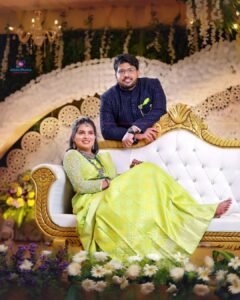

Your wedding reception is the grand finale of your big day—a celebration where emotions run high, loved ones gather, and memories are made that last a lifetime. Yet, many couples find themselves disappointed when they review their reception photos, realizing they missed capturing crucial moments or their images lack the magic they felt in person. A well-planned marriage reception photoshoot isn’t just about pointing and shooting; it’s about preserving the joy, elegance, and love that fills the room during those precious hours.
The truth is, reception photography presents unique challenges. The lighting is often dim and romantic, guests are moving constantly, and as the couple, you’re pulled in a dozen directions. Without proper planning and the right approach, you might end up with blurry dance floor shots, awkward group photos, or worse—missing entirely those candid moments that truly capture your celebration’s spirit.
This comprehensive guide will walk you through everything you need to know about creating stunning reception photographs that you’ll treasure forever. Whether you’re planning your own reception or simply want to understand how to make the most of your photographer’s expertise, we’ll cover the poses, timing, locations, and creative ideas that transform ordinary reception photos into extraordinary keepsakes.
Understanding the Importance of Reception Photography
Many couples invest heavily in their ceremony photography but overlook the reception—a mistake that leaves gaps in their wedding story. Your reception is where personalities shine, where your carefully curated décor creates ambiance, and where the formal atmosphere of the ceremony gives way to genuine celebration. Wedding reception photography deserves the same attention and planning as any other aspect of your wedding day.
The reception showcases elements absent from the ceremony: your first dance as a married couple, emotional speeches from loved ones, the cutting of your wedding cake, and those spontaneous moments of laughter and joy among guests. These aren’t just filler moments—they’re the heart of your celebration, and they deserve to be documented beautifully.
Moreover, reception photos often become your most-viewed wedding images. While ceremony photos are cherished, it’s the reception photos—showing you dancing, laughing, and celebrating with loved ones—that you’ll find yourself revisiting most often. They capture not just how you looked, but how you felt, and that emotional authenticity is priceless.
Planning Your Marriage Reception Photoshoot Timeline
Timing is everything in reception photography. The golden hour doesn’t exist during evening receptions, and you’ll need to work strategically to capture everything while still enjoying your party.
Pre-Reception Preparations
Before guests arrive, allocate 20-30 minutes for detail shots and venue photography. This is when your photographer can capture the reception hall in pristine condition—the table settings, centerpieces, place cards, and all those beautiful details you spent months selecting. The venue looks its best before guests arrive and create that lived-in atmosphere.
Consider 2023 reception photoshoot ideas that incorporate your venue’s unique features. Does your reception space have stunning architecture, chandeliers, or outdoor elements? Use this pre-event time to create dramatic couple portraits against these backdrops without feeling rushed.
During the Reception Flow
Structure your photo moments around natural breaks in the reception timeline. The transition between cocktail hour and dinner service, the moments right after your entrance, and the period between dinner and dancing all provide opportunities for quick couple sessions without pulling you away from guests for extended periods.
For Indian wedding reception photos, consider cultural-specific timing. If you’re having outfit changes or special cultural ceremonies during the reception, build photography time around these moments. They offer natural breaks where guests expect you to step away.
Essential Couple Poses for Your Reception Photoshoot
The stiffness of traditional posing doesn’t suit reception photography. Your images should reflect the celebratory, relaxed atmosphere of the evening. Here’s how to achieve natural, romantic poses that still look polished and intentional.
Classic Reception Couple Portraits
Start with timeless poses that work in any reception setting. Stand close together with the groom behind the bride, both looking over her shoulder toward the camera. This creates depth and intimacy. Alternatively, face each other at a slight angle, with hands gently touching—not gripping—and foreheads almost touching. These poses convey connection without looking staged.
For full-body shots, the “walking away” pose remains popular for good reason. Walk hand-in-hand away from the camera, look back over your shoulders, and laugh together. It’s candid-looking while being completely controlled, and it showcases your reception outfits beautifully.
Incorporating Reception Elements
Use your reception décor as natural props. Stand behind your sweetheart table for an intimate portrait framed by flowers and candles. Interact with your wedding cake (before cutting) for playful shots that showcase both you and the impressive confection. If you have a dramatic floral installation or backdrop, position yourselves to complement rather than compete with it.
Capturing love through wedding photoshoot poses requires understanding how to use your environment. If your reception features unique lighting—string lights, uplighting, or a dramatic chandelier—position yourselves where the light creates interesting patterns or halos around you.
Cultural and Traditional Poses
For couples celebrating with traditional attire, couple poses in saree offer elegant options. The pallu (the loose end of the saree) can be used creatively—held between the couple, flowing in a dramatic sweep, or framed around both partners. These poses celebrate cultural heritage while creating visually striking images.
The groom can stand behind the bride as she adjusts her pallu or jewelry, creating an intimate moment that’s also practical. For Muslim wedding receptions, consider poses that reflect the elegance of the hijab or cultural attire, ensuring modesty while creating beautiful images.
Group Photography During Receptions
Family and friend group photos shouldn’t feel like an interruption to your celebration, but they require organization to execute smoothly.
Organizing Group Shots Efficiently
Create a shot list beforehand and designate a family member or friend (not in the photos) to help gather people. This “photography coordinator” saves enormous time and reduces stress. Focus on immediate family groups first—parents, siblings, grandparents—before moving to extended family and friend groups.
For large group shots, arrive early. The best time for reception group photos is immediately after your entrance while everyone is still seated and easy to locate. Announce the group photos early in the evening so people expect them and stay nearby.
Creating Dynamic Group Compositions
Static lines of people staring at the camera make boring photos. Instead, create levels by having some people seated, others standing, and perhaps a few on stairs if available. Encourage natural interactions—have groups laugh together, look at the couple instead of the camera, or create candid moments within the posed structure.
For bridal party photos specifically, consider fun poses that reflect your group’s personality. Traditional straight-line formations work, but so do creative formations—bridesmaids lifting the bride’s train, groomsmen lifting the groom, or everyone walking toward the camera in a casual group.
Lighting Challenges and Solutions in Reception Photography
Reception lighting is notoriously difficult. Venues often use dim, amber-toned lighting that creates ambiance but challenges photography. Understanding these issues helps you work with your photographer to create solutions.
Working with Available Light
If your venue has large windows and your reception occurs during twilight, use this natural light. Position yourselves near windows for soft, flattering illumination that requires minimal artificial light supplement. As daylight fades, these window backgrounds create beautiful bokeh and depth in photos.
Candlelight on tables creates romantic ambiance but insufficient light for photography. Your photographer will likely use flash or video lights, but you can minimize artificial lighting needs by requesting slightly brighter venue lighting during key photo moments—your entrance, first dance, and cake cutting.
Strategic Use of Venue Lighting
The ultimate guide to wedding reception photography emphasizes working with—not against—venue lighting. If your venue features colored uplighting, position yourselves where these lights create flattering effects rather than color casts on your face. Purple or blue uplighting works best as background elements, not as your primary light source.
String lights and chandeliers offer beautiful background elements. When photographed with the right settings, they create gorgeous bokeh—those dreamy, out-of-focus light circles that add magic to images. Position yourselves with these light sources behind you, not above you, for the best effect.
Creative Reception Photography Ideas
Moving beyond traditional poses, creative approaches make your reception photos unique and memorable.
Utilizing Reception Venue Features
Every venue has unique architectural or design elements. Grand staircases, ornate doorways, floor-to-ceiling windows, or outdoor terraces all provide opportunities for dramatic images. Scout your venue beforehand (or have your photographer do so) to identify these photo opportunities.
For outdoor reception spaces or venues with outdoor access, step outside briefly for night sky photos. If you’re in a location with minimal light pollution, starry sky photos create breathtaking backdrops. Even in urban settings, nighttime cityscapes or beautifully lit building exteriors offer dramatic backgrounds.
Incorporating Reception Activities
Don’t just photograph yourselves standing still. Capture action and emotion by photographing during reception activities. Dancing—both your first dance and dancing with guests—creates energetic, joy-filled images. The cake cutting ceremony, bouquet toss, and any cultural traditions (like the hora at Jewish weddings) all provide natural moments of action and emotion.
Creative pre-wedding photoshoot ideas often inspire reception photography too. Consider bringing props from your pre-wedding shoot to create continuity in your wedding story, or incorporate meaningful items that represent your relationship.
Candid Reception Moments
The best reception photos are often unposed. Your photographer should capture genuine moments: your grandmother tearing up during your first dance, your best friends laughing at the bar, children dancing wildly on the dance floor, or quiet moments between you and your spouse amid the celebration.
These candid moments tell the real story of your reception. Years later, you’ll cherish photos of authentic emotion and spontaneous joy more than another posed portrait. Discuss with your photographer the balance you want between posed and candid photography—many couples prefer a 60/40 or even 50/50 split.
Traditional and Cultural Reception Photography
Different cultures and traditions bring unique elements to reception photography, each requiring specific approaches and sensitivity.
Indian Reception Photography
Indian wedding receptions are elaborate, colorful affairs with specific moments that must be captured. The bride and groom’s entrance (often dramatic and choreographed), the receiving line where you greet guests, outfit changes, and various rituals all require documentation.
Indian wedding reception photography emphasizes the vibrant colors, intricate details of traditional attire, and the grandeur of the celebration. Pay special attention to jewelry photography—necklaces, earrings, bangles, and the bride’s maang tikka all deserve close-up shots.
For couples wearing traditional attire like lehenga and sherwani, or reception couples in saree, ensure your photographer understands how to photograph these garments. The movement of a lehenga’s skirt, the drape of a saree, and the embroidery details on a sherwani all require specific techniques to capture effectively.
Regional Variations
A Tamil wedding reception might include specific rituals or customs different from receptions in other regions. Muslim wedding receptions often maintain more modest photography approaches while still creating beautiful images. Understanding and respecting these cultural nuances ensures your photos honor your heritage while capturing beautiful moments.
Discuss cultural expectations with your photographer beforehand. Some families prefer certain angles, specific people to be included or excluded from photos, or particular moments that hold special significance. A photographer experienced in your cultural traditions will understand these nuances automatically.
Practical Tips for Better Reception Photos
Beyond poses and timing, several practical considerations affect your reception photo quality.
Outfit Considerations
Your reception outfit significantly impacts your photos. Choose colors that photograph well—jewel tones, deep reds, navies, and blacks generally look stunning in photos. Very pale colors can wash out under artificial lighting, though they work beautifully in natural light.
Consider how your outfit moves. If you’re planning dancing photos, ensure your reception dress allows movement without constant adjustment. For brides wearing heavy lehengas or gowns with long trains, practice moving and posing in your outfit before the wedding day.
Coordination with Your Photographer
Your photographer can’t read your mind. Before the reception, share your priorities: Do you want more couple photos or more guest interaction photos? Are there specific people or moments that absolutely must be photographed? Any must-have shot list items?
Athini Photos’ wedding photography services emphasize communication between couple and photographer. Discuss your vision, share inspiration images, and be clear about any photos you don’t want (perhaps you don’t want getting-ready photos or you prefer to minimize posed shots).
Guest Management
Well-meaning guests with cameras and phones can inadvertently ruin professional photos. For key moments like your entrance, first dance, and cake cutting, consider asking your DJ or coordinator to request that guests put devices away and allow the professional photographer clear access.
This doesn’t mean guests can’t take photos—wedding guests love capturing and sharing moments. But during the 2-3 most important moments, having phones down ensures your professional photographer gets unobstructed shots and your guests actually experience these moments rather than viewing them through screens.
Reception Photography Investment
Understanding photography costs helps you budget appropriately and make informed decisions.
Pricing Factors
Marriage photoshoot price considerations include several factors: the photographer’s experience, the length of coverage, whether you want a second shooter, and post-processing services. Reception coverage typically requires 4-6 hours, though some receptions last longer.
Second shooters capture multiple angles simultaneously—invaluable during key moments like your first dance when you want both your perspective and your guests’ reactions. They also allow for more comprehensive coverage of the entire reception without your primary photographer missing moments.
Value vs. Cost
While photography represents a significant wedding expense, it’s one of the few elements you’ll still have and cherish decades later. Your flowers wilt, your cake gets eaten, but your photos remain. Investing in quality reception photography ensures you have beautiful, professional images that truly capture your celebration.
However, “expensive” doesn’t always mean “best.” Look for photographers whose style resonates with you, who have specific experience with reception photography, and who understand your cultural context if relevant. Review full galleries, not just highlight reels, to understand their consistency and style.
Post-Reception Photo Considerations
Your photographer’s work doesn’t end when the reception does—and neither does yours.
Photo Selection and Albums
Most photographers provide hundreds of edited images after your wedding. Creating a reception photography guide helps you organize and select favorites for albums, prints, and sharing.
Consider creating multiple photo products: a comprehensive album that tells your complete wedding story, a parent album highlighting key moments, and thank-you cards featuring favorite reception images. Digital files are wonderful, but printed photos and albums become family heirlooms that don’t depend on technology.
Sharing and Preservation
In our digital age, photos exist primarily on screens, but don’t neglect physical preservation. Print your favorites, create wall displays, and store digital files in multiple locations (cloud storage, external drives, etc.). Technology changes—ensure your photos remain accessible regardless of future format changes.
When sharing on social media, respect your photographer’s work by providing credit and not over-filtering or cropping their images. Your photographer’s business often depends on referrals, and proper crediting helps them while giving your friends a resource if they’re impressed by your photos.
Common Reception Photography Mistakes to Avoid
Learning from others’ mistakes helps you avoid disappointment.
Timing Errors
Starting formal photos too late in the reception means tired faces, messed-up hair and makeup, and reduced patience. Complete couple portraits early, ideally right after your entrance or during cocktail hour. As the evening progresses and you relax into celebration, shift focus to candid moments rather than formal poses.
Over-Planning
While planning is crucial, over-scripting every moment creates stress and eliminates spontaneity. Your photographer should capture authentic moments, not just execute a rigid shot list. Trust their expertise to document your reception’s natural flow while ensuring key moments are photographed.
Ignoring Lighting
Choosing a venue based solely on aesthetics without considering lighting often leads to photo disappointment. Dark venues with poor lighting produce photos requiring heavy flash use, which can create harsh, unflattering images. During venue tours, imagine how the space will photograph, not just how it looks in person.
Regional Expertise: Reception Photography in Coimbatore
For couples in specific regions, local photographer expertise matters. Balaji and Priya’s wedding photoshoot in Coimbatore and Naveen and Sukanya’s reception photoshoot showcase how local photographers understand regional preferences, popular venues, and cultural expectations.
Local photographers bring venue familiarity—they’ve likely photographed at your reception location before and know its best photo spots and lighting challenges. They understand regional traditions and can anticipate important moments without constant direction.
Frequently Asked Questions
How long should reception photography coverage last?
Most receptions require 4-6 hours of coverage, starting from when you arrive at the venue through your exit or until key moments (first dance, cake cutting, toasts) are complete. Longer receptions or those with extensive cultural ceremonies may need 6-8 hours of coverage.
Should we do a separate reception photoshoot another day?
Some couples opt for a dedicated reception couple photoshoot on a different day, allowing more time for creative shots without reception time pressure. This works well if you want extensive couple portraits in your reception attire without feeling rushed during the actual event.
What should we tell guests about photography?
Let guests know your photographer’s name and that they’re welcome to take photos but ask them to be mindful during key moments. Consider creating a wedding hashtag for social media so you can easily find guest photos later.
How do we ensure important family members are photographed?
Create a family photo list with specific groupings and assign someone to help gather people. Share this list with your photographer beforehand so they can plan timing and groupings efficiently.
Can we get good reception photos with low lighting?
Yes, with the right equipment and expertise. Professional photographers use fast lenses, proper flash techniques, and post-processing to create beautiful images even in challenging lighting. Discuss your venue’s lighting with your photographer during planning.
How many reception photos should we expect to receive?
This varies by photographer and reception length, but expect 50-100 photos per hour of coverage. A four-hour reception might yield 200-400 edited images—sufficient to tell your complete reception story without overwhelming repetition.
When will we receive our reception photos?
Turnaround times vary, but 6-8 weeks is standard for fully edited images. Some photographers provide sneak peeks within days, but complete editing and album design takes time. Discuss timelines with your photographer and don’t pressure them to rush—quality editing can’t be rushed.
Should our reception photography style differ from ceremony photography?
Often, yes. Ceremony photography tends toward traditional, formal documentation, while reception photography can be more creative, candid, and artistic. Discuss this balance with your photographer to ensure your complete wedding gallery has cohesive variety.
Your marriage reception photoshoot represents more than pretty pictures—it’s the visual story of one of your life’s most joyful celebrations. By understanding the challenges, planning strategically, and working collaboratively with your photographer, you’ll create a reception photo gallery that captures not just how your celebration looked, but how it felt. These images become your legacy, telling your love story to future generations and allowing you to relive the magic whenever you revisit them.
The key to stunning reception photography lies in balance: planning enough to ensure important moments are captured while remaining flexible enough to embrace spontaneity and authentic emotion. Trust your photographer’s expertise, communicate your priorities clearly, and then relax into celebrating your marriage. The best reception photos happen when couples focus on enjoying their celebration, allowing their photographer to document the genuine joy and love that naturally unfolds.