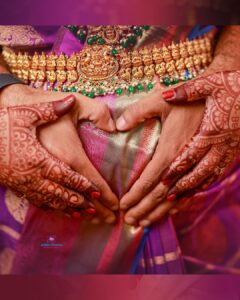

There’s something profoundly moving about seeing a mother-to-be draped in heritage attire, her baby bump glowing with anticipation. When Priya walked into our studio wearing her grandmother’s Kanjivaram saree, tears welled up in her eyes. “I want my daughter to see how we honored our roots while celebrating her arrival,” she whispered. That moment perfectly captured why a pregnancy photoshoot traditional in style has become more than just a trend—it’s a bridge between generations.
If you’re expecting and feeling torn between modern photography styles and honoring your cultural heritage, you’re not alone. Many expecting mothers struggle with this exact decision, worried that traditional photoshoots might look outdated or feel uncomfortable. Let me walk you through everything you need to create stunning traditional maternity photographs that you’ll treasure forever.
Why Traditional Pregnancy Photography Matters More Than Ever
In our fast-paced digital world, there’s a growing hunger for authenticity and connection to our roots. A traditional pregnancy photoshoot isn’t just about wearing ethnic clothing—it’s about storytelling, preserving cultural identity, and creating heirlooms for future generations.
Think about it: your child will one day scroll through these images, wondering about their heritage. What will they see? A generic studio backdrop, or a visual narrative that speaks of where they come from? When you choose traditional pregnancy photoshoot ideas that incorporate cultural elements, you’re gifting them their story.
The beauty of traditional maternity photography lies in its versatility. Whether you’re drawn to South Indian silk sarees, North Indian lehengas, Bengali tant cotton, or any other regional attire, these garments have been designed over centuries to flatter the female form—including that beautiful baby bump.
Understanding What Makes a Photoshoot Truly Traditional
Many expecting mothers make the mistake of thinking “traditional” simply means wearing ethnic clothes. That’s just one piece of the puzzle. An authentic traditional pregnancy photoshoot weaves together several elements:
Cultural Attire and Accessories: The foundation, yes, but it goes beyond just the outfit. Consider the jewelry passed down through your family, the bindis, bangles, or haath phool that complete the look. These details tell stories.
Meaningful Props and Settings: Instead of generic props, incorporate items significant to your culture. Prayer beads, traditional lamps, family heirlooms, or even ingredients used in traditional pregnancy rituals create deeper connections.
Poses Rooted in Tradition: While pregnancy photoshoot poses can vary, traditional shoots often incorporate gestures and positions that reflect cultural values—hands in prayer position, protective gestures over the bump, or poses that mirror classical dance forms.
Natural and Authentic Expressions: Traditional doesn’t mean stiff or formal. The goal is capturing genuine emotion within a cultural framework.
Choosing Your Traditional Attire: Beyond the Obvious Choices
Here’s where many mothers-to-be feel overwhelmed. Standing in front of a closet full of sarees or traditional outfits, wondering which will photograph well while keeping you comfortable.
The Saree Solution: Sarees remain the most popular choice for pregnancy photoshoot traditional sessions, and for good reason. The draping naturally accommodates your changing body, and the fabric flow creates elegant lines in photographs. However, not all sarees work equally well.
Silk sarees, particularly Kanjivarams, Banarasis, and Patolas, photograph beautifully due to their rich texture and sheen. The heavy borders and pallus add visual interest without overwhelming the frame. If you’re worried about weight and comfort, consider lighter silks or cotton-silk blends that offer the look without the burden.
For those seeking pregnancy photoshoot in saree with husband coordination, having him wear a traditional kurta-pajama or dhoti-kurta in complementary colors creates visual harmony. The key is avoiding exact matches—think coordinated, not matchy-matchy.
Regional Variations Worth Exploring: Don’t limit yourself to what’s most common. Bengali mothers often choose tant or jamdani sarees for their lightweight comfort and distinctive weave patterns. Gujarati and Rajasthani lehengas with mirror work and vibrant embroidery create spectacular visual impact. Kerala brides might opt for the elegant kasavu saree with its golden border.
Each region’s traditional attire carries specific cultural significance. Research what your ancestors wore during pregnancy—you might discover beautiful traditions waiting to be revived.
Navigating the Comfort Challenge Nobody Talks About
Let’s address the elephant in the room: traditional outfits can feel restrictive when you’re already dealing with pregnancy discomfort. This is the number one concern I hear from expecting mothers, and it’s completely valid.
Timing Your Shoot Strategically: Most maternity photoshoots work best between 28-34 weeks when your bump is beautifully visible but you’re not yet too uncomfortable. For traditional shoots, aim for the earlier end of this window if your outfit is particularly elaborate.
Adapting Traditional Wear for Pregnancy: Modern draping techniques can make traditional outfits more pregnancy-friendly. For sarees, consider:
- Wearing the petticoat under your bump rather than over it
- Using a longer blouse that provides support
- Opting for lighter fabrics that won’t weigh you down
- Having the pallu draped loosely for easier movement
The Break Strategy: Schedule your shoot with buffer time. Wear comfortable clothes to the location, change into your traditional outfit, shoot for 20-30 minutes, then change back for a break. This prevents fatigue and keeps you looking fresh in photos.
Creating Authentic Traditional Settings Without Breaking the Bank
You don’t need to rent an elaborate set or travel to your ancestral village (though that would be amazing) to create authentic traditional backdrops. Creative thinking can transform simple settings into culturally rich environments.
Indoor Traditional Settings: Your home can become the perfect backdrop. Traditional wooden furniture, brass lamps, rangoli or kolam designs, flower decorations, and even your family’s pooja room all provide authentic cultural context. The indoor couple maternity photoshoot ideas guide shows how everyday spaces transform with thoughtful styling.
Outdoor Options with Cultural Resonance: Temple courtyards (with permission), traditional gardens with native plants, heritage buildings, or even simple natural settings work beautifully. The key is ensuring the background enhances rather than distracts from your traditional attire.
The Power of Minimal Props: Sometimes less truly is more. A single brass lamp, a string of jasmine flowers, or a piece of traditional art can establish cultural context without cluttering the frame. Each prop should serve a purpose—telling part of your story.
Poses That Honor Tradition While Feeling Natural
Stiff, uncomfortable poses ruin otherwise beautiful photographs. The challenge with traditional pregnancy photoshoots is balancing cultural appropriateness with natural movement and genuine emotion.
Solo Traditional Poses: Focus on poses that highlight both your bump and your attire. Classic options include:
- Hand gently cradling the bump, other hand holding a flower or prayer gesture
- Seated poses that showcase the saree’s draping and embroidery
- Profile shots that emphasize your silhouette in traditional attire
- Poses incorporating cultural hand gestures (mudras) if you’re familiar with classical dance
Couple Poses with Cultural Context: When including your partner in couple pregnancy photoshoot images, traditional poses often emphasize protective, reverential gestures. Him standing behind you with hands on your shoulders, both of you with hands on the bump in prayer position, or seated together with traditional elements create powerful images.
Avoiding Cultural Appropriation: If you’re incorporating elements from cultures not your own, ensure you understand their meaning and significance. Respect and authenticity matter more than aesthetics.
Working with Photographers Who Understand Traditional Photography
Not every photographer gets traditional maternity photography. Some apply the same poses and editing they use for modern shoots, resulting in images that feel disconnected from their cultural context.
Questions to Ask Potential Photographers:
- Have you shot traditional maternity sessions before?
- Do you understand the cultural significance of traditional attire and props?
- How do you handle lighting for darker traditional fabrics and skin tones?
- Can you show examples of traditional pregnancy work in your portfolio?
Look for photographers who’ve worked with creative pregnancy photoshoot ideas for every setting, demonstrating versatility and cultural awareness.
The Editing Style Matters: Over-editing ruins traditional photographs. The goal is enhancing natural beauty while preserving the richness of traditional colors and textures. Discuss editing preferences beforehand—you want enhancement, not transformation.
Incorporating Family and Traditions into Your Shoot
Some of the most moving traditional pregnancy photographs include family members or traditional rituals. Consider who and what should be part of your visual story.
Generational Portraits: Including your mother or grandmother wearing traditional attire creates powerful three or four-generation images. These photographs become family treasures, especially when everyone coordinates their traditional outfits.
Traditional Blessing Ceremonies: Many cultures have pregnancy blessing rituals—seemantham, godh bharai, baby showers with traditional elements. Documenting these authentic moments combines event photography with traditional maternity photography.
Sibling Inclusion: If you have other children, including them in traditional attire adds another layer of meaning. It shows them they’re part of welcoming the new baby while creating visual unity.
Budget-Friendly Traditional Photoshoot Planning
Concerns about cost often prevent expecting mothers from pursuing pregnancy photoshoot traditional visions. However, beautiful traditional shoots don’t require unlimited budgets.
Smart Spending Priorities:
- Invest in a skilled photographer who understands traditional photography
- Borrow or rent traditional outfits rather than purchasing
- Use family jewelry and accessories instead of renting
- Choose locations with natural beauty or cultural significance (often free)
- DIY simple props and decorations
The Value Equation: When considering maternity photoshoot packages in Coimbatore or your area, evaluate what’s included. A package that provides styling assistance, multiple outfit changes, and cultural prop access might cost more upfront but save money overall.
Seasonal and Festival Tie-Ins for Traditional Shoots
Aligning your traditional pregnancy photoshoot with cultural festivals or favorable seasons adds another dimension of meaning and often provides built-in decorative elements.
Festival-Themed Shoots: If your pregnancy coincides with Diwali, Durga Puja, Pongal, or other major festivals, incorporating those elements creates timely cultural context. Festival decorations, special attire, and traditional sweets or items used in celebrations all become natural props.
Seasonal Considerations: Different seasons suit different traditional outfits and settings. Monsoon pregnancies pair beautifully with lighter cotton sarees and indoor shoots. Winter allows for richer, heavier silks without discomfort. Spring and autumn offer pleasant weather for outdoor traditional settings.
Hair, Makeup, and Accessories: The Finishing Touches
Your traditional outfit sets the stage, but hair, makeup, and accessories complete the cultural narrative. These elements require as much thought as your clothing choices.
Traditional Hairstyles: Depending on your cultural background, consider:
- South Indian: Flowers (jasmine, roses) woven into braids, traditional buns
- North Indian: Elaborate updos with maang tikka, fresh flower decorations
- Bengali: Traditional braiding styles with white and red flowers
- Regional variations: Research what was traditionally worn
Makeup That Enhances Without Overpowering: Traditional photography works best with makeup that enhances your natural features while complementing your attire. Key considerations:
- Slightly heavier than everyday makeup to prevent washing out in photos
- Colors that harmonize with your outfit without matching exactly
- Traditional elements like bold bindis, kajal, sindoor (if culturally appropriate)
- Skin that looks naturally radiant, not overly contoured or highlighted
The Jewelry Decision: This is where many expecting mothers struggle. Traditional attire often calls for substantial jewelry, but pregnancy isn’t the time for heavy, uncomfortable accessories.
Smart Jewelry Choices:
- Prioritize pieces that photograph well (necklaces, earrings) over those that don’t (anklets)
- Mix lighter pieces with one statement item
- Consider flower jewelry as a comfortable, traditional alternative
- Borrow family pieces for authenticity and sentimental value
Post-Shoot: Preserving and Sharing Your Traditional Photographs
Your traditional pregnancy photoshoot creates more than just images—it creates heirlooms. How you preserve and share these photographs matters.
Physical Preservation: Consider creating:
- A traditional photo album with archival-quality materials
- Framed prints in significant sizes for display
- A photo book that includes context about cultural elements shown
- Prints on traditional materials like handmade paper or canvas
Digital Sharing with Cultural Context: When sharing on social media or with family, include captions that explain the cultural significance of elements in your photos. This educates viewers and preserves the story behind the images.
Creating a Time Capsule: Some families create digital or physical time capsules for their children, including pregnancy photos, letters, and explanations of cultural traditions shown in the images.
Common Mistakes to Avoid in Traditional Pregnancy Photography
Learning from others’ experiences can save you from disappointment. Here are mistakes I’ve seen expecting mothers make:
Overthinking and Over-styling: More isn’t always better. Too many props, excessive accessories, or trying to incorporate too many cultural elements in one shoot creates visual chaos.
Ignoring Comfort for Aesthetics: No photograph is worth physical discomfort or stress that could affect your pregnancy. If something doesn’t feel right, speak up.
Not Researching Cultural Elements: Using traditional items or poses without understanding their significance can result in culturally inappropriate images.
Waiting Too Long: The perfect time for maternity photos is narrower than you think. Book your photographer and plan your shoot early in your third trimester.
Skipping the Test Run: If possible, do a quick trial with your traditional outfit, accessories, and hairstyle before the shoot day. This identifies potential issues when there’s still time to fix them.
FAQs About Traditional Pregnancy Photoshoots
What week of pregnancy is best for a traditional photoshoot?
The ideal window is 28-32 weeks of pregnancy. Your bump is beautifully visible but you’re not yet too uncomfortable for elaborate traditional attire. If wearing heavy fabrics like silk sarees, aim for 28-30 weeks. Lighter traditional outfits allow flexibility up to 34 weeks.
How much does a traditional pregnancy photoshoot cost?
Costs vary significantly based on location, photographer experience, and package inclusions. Expect to spend ₹15,000-50,000 for professional traditional maternity photography in metropolitan areas. This typically includes 2-3 hours of shooting, multiple outfit changes, basic editing, and digital images. Budget options start around ₹8,000-12,000.
Can I do a traditional pregnancy photoshoot at home?
Absolutely! Home-based traditional pregnancy photoshoots often feel more intimate and authentic. Your home contains personal cultural elements that studios cannot replicate. Ensure good natural lighting, declutter the space, and work with a photographer experienced in home shoots. Many baby shower photoshoot poses at home translate beautifully to traditional maternity sessions.
What if I don’t own traditional clothing suitable for a photoshoot?
You have several options:
- Borrow from family members (often more meaningful)
- Rent from traditional clothing boutiques
- Purchase versatile traditional outfits you’ll wear again
- Work with photographers who provide traditional outfit options
- Mix traditional accessories with simpler ethnic wear you own
How do I choose between different traditional styles?
Consider your heritage first—honoring your own cultural background creates the most authentic images. If you connect with multiple cultures, consider separate outfit changes showcasing different traditions. Discuss with your photographer which styles photograph best and align with your comfort level.
Should my partner wear traditional attire too?
Coordination creates visual harmony in couple pregnancy photoshoot images. Your partner doesn’t need to match your level of formality exactly, but traditional or semi-traditional attire ensures they complement rather than clash with your elaborate outfit.
How long does a traditional pregnancy photoshoot take?
Plan for 2-3 hours including preparation time, outfit changes, and breaks. Actual shooting might be 60-90 minutes, broken into shorter sessions for your comfort. Traditional shoots often take longer than contemporary ones due to outfit changes and careful prop arrangement.
What poses work best for traditional pregnancy photos?
The best poses showcase both your bump and your traditional attire while looking natural. Favorites include gentle hands on bump, seated poses that display saree draping, profile shots emphasizing your silhouette, and couples poses with protective or reverential gestures. Avoid overly trendy poses that clash with traditional aesthetics.
Can I include other children in traditional pregnancy photos?
Including siblings creates beautiful family portraits and helps them feel involved in welcoming the new baby. Coordinate their traditional outfits with yours, keep sessions short for their comfort, and prepare simple activities or props to keep them engaged.
What should I avoid in traditional pregnancy photography?
Avoid cultural appropriation of traditions not your own, overly heavy or uncomfortable clothing, excessive props that distract from you, poses that feel unnatural or forced, over-editing that removes the richness of traditional colors, and waiting until you’re too far along to comfortably wear traditional attire.
Your Journey Starts Now
A traditional pregnancy photoshoot is more than checking another item off your pregnancy to-do list. It’s an opportunity to pause in the whirlwind of preparation, honor where you come from, and create visual heirlooms for generations to come.
Every mother’s journey is unique, and your traditional pregnancy photos should reflect your personal story within your cultural context. Whether you choose elaborate silk sarees, simple cotton elegance, or regional attire specific to your heritage, what matters most is that the images feel authentically you.
Start planning early, communicate clearly with your photographer, prioritize comfort alongside beauty, and remember—these photographs aren’t just about documenting your pregnancy. They’re about preserving your story, your heritage, and the beginning of your child’s journey into a family rich with tradition.
The beauty of tradition lies not in rigidly following rules, but in thoughtfully carrying forward what matters while making it your own. Your traditional pregnancy photoshoot should honor both your past and your present, creating a bridge to your child’s future.
Ready to create your own traditional pregnancy photography experience? Explore our complete guide to saree maternity photoshoots or discover more creative pregnancy photoshoot ideas that blend tradition with modern sensibilities.