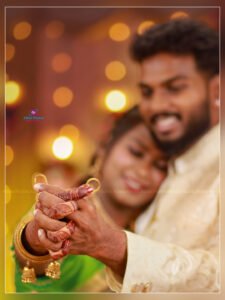

For couples looking to escape the predictable backdrop of manicured city parks and crowded public landmarks, finding a truly intimate space for engagement photography can feel like searching for a needle in a haystack. The standard locations often lack that raw, magical atmosphere where you can genuinely relax, laugh, and let your unique connection show without an audience.
If you are craving an enchanting backdrop that feels entirely your own, exploring hidden, lush havens is the ultimate way to set your love story apart. This comprehensive guide reveals how to uncover and maximize Secret Garden Locations for Romantic Engagement Photos, ensuring your pre-wedding gallery feels timeless, deeply personal, and completely magical.
Why Couples are Trading Famous Landmarks for Secret Gardens
There is an undeniable shift happening in pre-wedding photography. Couples are moving away from grand, stark architectural marvels or busy downtown streets. Instead, they are gravitating toward wild, overgrown, and hidden botanical sanctuaries.
The Architecture of Privacy
The primary pain point of any outdoor photoshoot is public performance anxiety. It is incredibly difficult to look effortlessly in love when dozens of tourists or local joggers are watching you adjust your stance. Hidden gardens act as a natural buffer from the outside world. Behind crumbling stone walls, dense ivy trellises, or deep in a secluded forest glade, the ambient city noise fades. This privacy allows you to drop your guard, resulting in genuine candid expressions rather than rigid, forced smiles.
Dynamic Textures and Organic Lighting
From a pure design perspective, organic environments offer visual layers that concrete spaces simply cannot replicate. Think dappled sunlight filtering through a dense canopy of ancient oaks, soft moss carpeting stone pathways, and vibrant bursts of seasonal blooms adding natural pops of color. These elements create built-in depth of field, framing you and your partner in a soft, ethereal glow that makes editing seamless and breathtaking.
Uncovering the Hidden Gems: Where to Look
The word “secret” implies these spots are not listed on standard local tourism websites. Finding them requires a bit of creative detective work. Here are the most fruitful avenues to explore when scouting for your private botanical backdrop.
Historic Estates and Forgotten Greenhouses
Many historic residential estates, built in the late 19th or early 20th centuries, feature expansive private grounds that have either been preserved by historical societies or semi-abandoned. These locations often house old iron-framed greenhouses, overgrown sunrooms, or walled English-style gardens. The juxtaposition of weathered stone, rusted iron, and thriving greenery creates a poetic, romantic mood perfect for engagement portraits.
Secluded Eco-Resorts and Specialty Plant Nurseries
Instead of looking at public parks, shift your gaze toward private hospitality spaces. Boutique eco-lodges, tucked-away bed and breakfasts, and even independent, high-end plant nurseries often feature beautifully curated, low-traffic landscapes. For instance, spaces that prioritize natural harmony—similar to the serene environments showcased in our look at the Caves Resort by Voye Homes for a Pre-Bride Photoshoot—offer a spectacular blend of raw topography and lush greenery without the crowds.
Hidden Glades and Sacred Groves
If your style leans more toward wild, untamed nature, look for regional micro-climates. Coastal forests, misty valley floors, and rural agricultural belts often hide pockets of stunning flora. Areas famous for their ancient trees and sweeping tea or coconut plantations, like the peaceful regions explored in our Ultimate Guide to Outdoor Photoshoots in Pollachi, provide vast, quiet landscapes where you can find secluded paths, quiet riverbanks, and towering green canopies far away from urban disruption.
Framing the Magic: Wardrobe and Posing Strategies
A spectacular location is only half the equation. To make your images in these secret sanctuaries truly sing, your attire, styling, and movement need to complement the organic environment.
Selecting the Perfect Ensemble
When shooting in a location dense with deep greens, earthy browns, and soft floral tones, your clothing choices should create a deliberate, elegant contrast.
-
Fabric Choices: Opt for materials that catch the movement of the wind. Chiffon, silk, tulle, and lightweight linen add a whimsical, ethereal quality to your images as you move through overgrown paths.
-
Color Palettes: Soft pastels (blush pink, dusty blue, sage), timeless ivory, or bold, rich jewel tones (emerald, ruby, deep mustard) pop beautifully against botanical backgrounds. Avoid heavy, chaotic patterns that compete with the natural textures of the garden.
-
Traditional Elegance: For a deeply classic and sophisticated look, traditional attire can elevate the romance of a hidden landscape. Sweeping drapes and rich textures look stunning amidst wild flora. If you plan on wearing traditional garments, reviewing our Couple Poses in Saree Complete Guide can provide excellent inspiration for positioning your wardrobe cleanly within natural frames.
Posing Naturally Amidst the Foliage
Secret gardens demand soft, narrative-driven interactions rather than stiff, high-fashion editorial posing. The goal is to make it look as though the photographer happened to stumble upon an intimate, private moment.
The Guided Stroll
Instead of standing still and facing the camera, walk hand-in-hand down a narrow, overhanging pathway. Look at each other, share a private joke, and let your movement naturally rustle the surrounding leaves. This creates a beautiful sense of depth, with foreground elements softly blurring around you.
The Quiet Embrace
Find a rustic bench, an old stone wall, or the base of an expansive tree. Sit together closely, focusing entirely on your partner. Gentle touches—a hand resting softly on a cheek, a quiet forehead rest, or wrapping an arm completely around your partner—translate beautifully in quiet, secluded settings. For a deeper look into creating these intimate visual connections, browse through our comprehensive Couple Photoshoot Ultimate Guide 2025 to master the balance of light, emotion, and posture.
Logistics and Planning for Secluded Locations
Shooting in a hidden or semi-wild garden requires a unique set of logistical considerations compared to an indoor studio or a standard public park. Proper preparation prevents unexpected surprises from ruining your magical session.
Timing the Perfect Light
In a dense garden environment, light behaves differently. The absolute best time to shoot is during the “Golden Hour”—the hour just before sunset or right after sunrise. During these windows, the sun sits low on the horizon, filtering horizontally through branches and leaves. This creates soft, warm streaks of light and eliminates harsh, unflattering shadows under the eyes and nose. If you are shooting mid-day, seek out areas with dense high canopies that provide uniform, open shade.
Leave No Trace and Property Respect
Many of the best secret gardens are either carefully preserved natural ecosystems or private properties. It is absolutely crucial to maintain the integrity of the space:
-
Always secure permission or permits if the garden is privately owned or part of a protected reserve.
-
Stay on designated paths as much as possible to avoid trampling delicate bulbs or rare ground flora.
-
Bring a small utility bag to pack out any trash, wardrobe tags, or styling props you brought into the space.
Curating Your Ultimate Photography Checklist
To make sure your session goes off without a hitch, it helps to look at the broader picture of pre-wedding planning. From setting a realistic budget to coordinating with local experts who know the hidden terrain inside and out, every detail matters.
Budgeting for Special Locations
While some hidden gems are completely free to access, others—like private historic estates, curated botanical conservatories, or exclusive eco-resorts—may charge a venue or photography fee. When calculating your overall investment, ensure you factor these entry costs alongside your photographer’s base rates. To get a clear understanding of how destination fees and professional services balance out, take a look at our transparent Marriage Photoshoot Price Guide 2024 to map out your expenses accurately.
Gathering Professional Inspiration
If you are still finalizing the core creative theme of your shoot, do not hesitate to look at vast collections of visual data. Seeing how other couples have successfully navigated lighting, wardrobe, and natural scenery can help clarify exactly what you want from your private garden session. For a massive dose of global and regional ideas, check out our curated compilation of the Best Pre-Wedding Photoshoot Locations in India Top 200 Spots to find the exact stylistic aesthetic that speaks to your romance.
Frequently Asked Questions
How do we find secret garden locations in our local area?
Start by researching local historical societies, specialized plant societies (like orchid or rose clubs), and independent boutique nurseries. You can also use satellite mapping tools to look for large, heavily wooded private properties or old estates near your city limits, then reach out to the owners directly to request private access.
What should we bring to a photoshoot in an outdoor, rustic garden?
Always pack a small outdoor survival kit. This should include high-quality insect repellent (essential for wooded or high-growth areas), a pair of comfortable flats or walking shoes to change into between setups, oil-blotting sheets for warm weather, and plenty of drinking water to stay hydrated throughout the session.
What happens if it rains on the day of our garden photoshoot?
Embrace it! A light drizzle or overcast sky can actually enhance a secret garden setting, making colors appear incredibly rich saturated while providing gorgeous, completely soft lighting. Bringing along an elegant, clear umbrella can serve as both a practical shield and a beautiful, romantic prop for your photos.
How long does a typical pre-wedding session in a hidden location take?
Most high-quality outdoor sessions last between two to three hours. This timeline allows ample opportunity to slow down, explore different nooks of the property, wait for the absolute peak windows of evening or morning light, and manage a wardrobe change without feeling rushed.