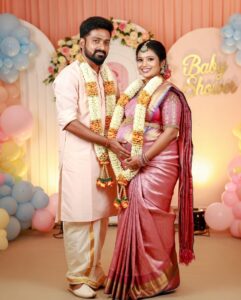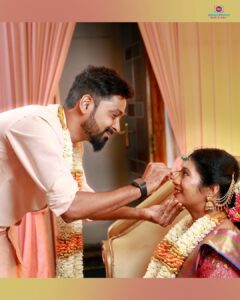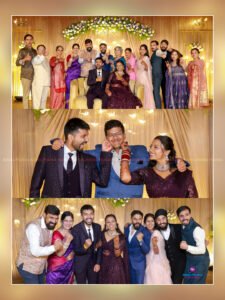

Your Seemantham ceremony lasts a few precious hours, but the photo album you create from it can be treasured for generations. Long after the turmeric has washed off and the guests have gone home, it’s the album sitting on your living room shelf that brings back every laugh, every blessing, and every quiet, emotional moment between you and your growing family.
Yet so many beautiful Seemantham photographs end up buried in a phone gallery or a random folder, never turned into something you can actually hold and share. If you’ve ever felt unsure about where to even begin designing your album, you’re in exactly the right place. This guide walks you through practical, creative, and deeply personal ways to turn your Seemantham photos into an album that feels like you.
Why Your Seemantham Album Deserves More Thought Than “Just Print It”
A Seemantham album isn’t just a photo book — it’s a visual story of a woman stepping into motherhood, surrounded by the people who love her most. Unlike a wedding album, which usually follows one predictable arc, a Seemantham album has room for something softer: family warmth, ritual details, and candid in-between moments that often get overlooked.
If you’re still finalising your shoot or deciding on the right time to hold the ceremony, our guide on choosing the best time for your Seemantham function is a good place to start before you even get to album design.
The Emotional Value of a Well-Designed Album
A thoughtfully designed album does something a phone gallery never can — it lets you relive the day in the correct emotional order. The nervous excitement before the rituals begin. The tears during the blessing ceremony. The joy of a family meal afterward. Good design respects that emotional arc instead of just dumping photos in the order they were shot.
What Makes an Album “Beautiful” vs. Just “Complete”
A complete album has every photo from the day. A beautiful album has only the right photos, arranged with intention, breathing space, and a sense of rhythm. This is the biggest mindset shift most families need to make — fewer photos, better storytelling.
Planning Your Album Before the Shoot Even Happens
The best albums are rarely designed after the fact — they’re planned before the camera comes out. If you’re still in the early stages of preparing for your ceremony, this is the ideal time to think about album design.
Decide on a Theme Early
Traditional gold-and-red aesthetics, a soft pastel garden theme, or a minimal, modern look — deciding this early helps your photographer plan compositions that will actually work well in album layout later. It also ties naturally into your outfit choices for the ceremony, since your saree colour and styling often set the visual tone for the entire album.
Talk to Your Photographer About Album Goals, Not Just Shot Lists
Most couples give their photographer a list of “must-capture” moments — the aarti, the swing ceremony, the gift-giving. Few think to say, “we want this to become a 40-page album with a storytelling flow.” Saying this upfront changes how your photographer frames shots, leaves negative space for design, and captures wider environmental shots you’ll need for full-spread pages.
Structuring Your Album Like a Story, Not a Timeline
One of the most common mistakes families make is arranging the album exactly in the order photos were taken. It feels logical, but it often makes for a flat, repetitive viewing experience. Instead, think in chapters.
Chapter One: The Quiet Before
Start with getting-ready shots — bangles being placed, the saree being draped, a mother helping her daughter dress. These slower, quieter images set an intimate tone before the main ceremony begins.
Chapter Two: The Ceremony Itself
This is your emotional core — the rituals, the blessings, the traditional elements that make Seemantham unique. If you’re unfamiliar with the full significance and structure of the ceremony, our detailed piece on what the Seemantham ceremony truly represents is worth a read, since understanding the ritual sequence helps you (and your designer) decide which moments deserve a full page versus a small corner shot.
Give Ritual Details Their Own Micro-Section
Close-up shots of the flowers in the hair, the bangles on the arm, the kolam on the floor — these detail shots feel almost like still-life photography. Grouping three or four of these together on a single page creates a beautiful textural break between larger ceremonial photographs.
Chapter Three: Family and Candid Moments
This is where candid photography truly shines. Genuine laughter, grandparents wiping away happy tears, cousins teasing the mother-to-be — these unscripted moments often become the most-loved pages in the entire album, more so than the posed ritual shots.
Chapter Four: Husband and Family Portraits
Warm, posed portraits with your husband and close family bring a gentle formality back into the album after the candid chaos. If you’re planning this segment of your shoot, take a look at our ideas for husband-and-family photoshoots for pose inspiration that photographs beautifully on a double-page spread.
Design Choices That Elevate an Album from Good to Unforgettable
Once you have your photo selection sorted into a rough story order, design decisions make all the difference in how the final album feels.
Colour Palette Consistency
If your ceremony had a strong colour theme — say, gold and maroon, or soft peach and cream — carry that palette into your album’s background pages, borders, and typography. A mismatched palette (bright pink pages next to a traditional gold-toned shoot) can make even great photos feel disjointed.
Typography for Captions
Simple, elegant fonts for dates, names, or short captions (“The Blessing,” “First Glimpse”) add a storybook quality without overwhelming the photography. Avoid overly decorative fonts that compete with the images themselves.
White Space Is Your Friend
Cramming six photos onto one page rarely looks premium. Leaving generous white space around one or two hero images on a page makes them feel intentional and gallery-worthy.
Common Layout Mistakes to Avoid
######## Repeating Similar Poses Back to Back
If you have five near-identical photos of the same blessing moment, choose the single best one. Repetition dilutes impact rather than strengthening the memory.
######## Ignoring the Cover Design
The cover sets expectations for everything inside. A generic stock cover feels impersonal; a custom cover using a favourite portrait or a meaningful detail shot (like hands adorned with bangles) makes the album feel bespoke from the very first glance.
######## Forgetting a Timeline for Editing and Printing
Album design and printing take longer than most families expect, especially around busy wedding and festival seasons. It helps to understand the realistic timeline involved, which we cover in detail in our guide to Seemantham photo album editing timelines, so you’re not caught off guard waiting for your finished album.
Bringing in Cultural and Family Elements
Including Tamil Traditions Authentically
If yours is a Tamil family, weaving in small cultural touches — a Tamil quote, a traditional motif border, or captions in Tamil alongside English — can make the album feel more rooted and personal. Families who’ve also documented related ceremonies, like those covered in our piece on Tamil baby shower photoshoots, often carry similar design language across both albums for a cohesive family archive.
Multi-Generational Pages
Consider dedicating a page specifically to grandparents, great-grandparents, or elders blessing the mother-to-be. These pages tend to become the most revisited years later, especially by the child once they’re old enough to look through the album themselves.
Digital vs. Printed Albums: Do You Need Both?
Many families today create a digital version for quick sharing on WhatsApp and social media, alongside a printed, hardbound album for display. The digital version can include more photos loosely arranged, while the printed album should stay curated and intentional — usually between 30 to 50 pages for the best visual pacing.
Choosing the Right Album Format
Fabric-bound albums bring a soft, traditional feel that suits Seemantham ceremonies well. Leather-bound albums lean more premium and modern. Matte-finish pages reduce glare and glossy fingerprints, keeping the album looking fresh for years of handling.
Final Thoughts on Designing Your Album
Designing a Seemantham photo album is really an exercise in storytelling — deciding which moments deserve the spotlight and which quiet details tie the story together. Whether you’re just starting to plan your ceremony or already sitting on hundreds of raw photographs, taking the time to design thoughtfully turns a simple photo collection into a family heirloom.
Frequently Asked Questions
How many photos should go into a Seemantham album?
Most well-designed albums work best with 80 to 150 curated photos spread across 30 to 50 pages. Quality of selection matters far more than sheer quantity.
How long does it take to design and print a Seemantham photo album?
Depending on your photographer’s workflow and print vendor, the full process — from photo selection to final printed album — typically takes anywhere from three to six weeks. Our album editing timeline guide breaks this down stage by stage.
Should the album follow the exact order of events on the day?
Not necessarily. A story-driven structure — grouped by theme or emotion rather than strict chronology — usually creates a more engaging viewing experience than a rigid timeline.
Can candid and posed photos be mixed in the same album?
Absolutely, and they should be. Alternating between posed portraits and candid ceremony moments keeps the album visually dynamic rather than monotonous.
What size album is ideal for a Seemantham ceremony?
Square or landscape formats around 12×12 inches or 10×13 inches are popular choices, as they comfortably display both single hero images and multi-photo collages without feeling cramped.
Is it worth hiring a professional album designer, or can I do it myself?
If you have a design eye and the patience for it, DIY tools work fine for casual use. However, professional designers understand pacing, colour balance, and print-ready formatting, which usually results in a noticeably more polished final product — especially for an album you intend to keep for decades.