
Planning a Valaikappu function at home doesn’t have to be overwhelming or expensive. This cherished Tamil tradition celebrates the arrival of new life, and with thoughtful preparation, you can create a beautiful, memorable ceremony right in your own home. Whether you’re expecting your first child or planning for a family member, this comprehensive guide will walk you through every step of creating an intimate, meaningful celebration without the stress of elaborate arrangements.
Many expecting mothers dream of a traditional Valaikappu ceremony but worry about the complexity and cost of hosting one. The good news? A simple, home-based celebration can be just as special—and often more personal—than a grand affair. Let me show you exactly how to make this happen.
Understanding the Essence of Valaikappu
Before diving into the planning details, it’s important to understand what makes Valaikappu special. This traditional baby shower ceremony, typically held during the seventh or ninth month of pregnancy, is all about blessing the mother-to-be with bangles, good wishes, and positive energy for a safe delivery and healthy baby.
The ceremony centers around adorning the expectant mother’s wrists with colorful glass bangles—usually green and red, symbolizing prosperity and good fortune. Extended family and close friends gather to celebrate, offer blessings, and share in the joy of the upcoming arrival. The beauty of hosting at home lies in creating an intimate atmosphere where genuine connections can flourish.
Setting Your Budget and Guest List
The first practical step in planning your simple Valaikappu is establishing a realistic budget. Home-based ceremonies naturally cost less than venue rentals, but you’ll still want to allocate funds wisely across decorations, food, bangles, return gifts, and photography.
Start with your guest list, as this determines everything else. For a simple function, consider inviting 20-40 close family members and friends. This manageable number allows for meaningful interactions without overwhelming your home space or budget. Remember, Valaikappu is about quality over quantity—the people who attend should be those who truly care about your family’s journey.
Once you know your headcount, allocate your budget accordingly. A simple home Valaikappu can be beautifully executed with a budget of ₹15,000-₹30,000, covering all essentials while leaving room for those special touches that make the event uniquely yours.
Choosing the Perfect Date and Time
Traditionally, Valaikappu ceremonies are held on auspicious days during the seventh or ninth month of pregnancy. Consult with family elders about preferred dates according to your religious calendar, but also consider the expectant mother’s comfort and energy levels.
Most families prefer late morning ceremonies (10 AM – 12 PM) or early afternoon events (2 PM – 4 PM). These timings work well because they avoid the hottest part of the day, accommodate family members traveling from different areas, and allow the mother-to-be to rest before and after the celebration. Morning ceremonies often feel more traditional and energetic, while afternoon events can have a more relaxed, leisurely pace.
Creating a Beautiful Home Setup Without Breaking the Bank
Transforming your home into a celebration space doesn’t require expensive decorators or elaborate installations. Simple, thoughtful decorations create the perfect ambiance for your Valaikappu.
Decoration Essentials
Start with a dedicated seating area for the mother-to-be. This central space should be comfortable and photogenic, as it’s where the main ceremony happens and where most Tamil baby shower photoshoots will take place. Arrange a low wooden seat or decorative chair with plenty of colorful cushions. Drape it with traditional silk sarees or bright fabrics in auspicious colors.
Create a backdrop using marigold strings, mango leaves, and colorful drapes. These natural elements bring traditional authenticity while being budget-friendly. You can purchase fresh flower strings from local flower markets for a fraction of what artificial decorations cost, plus they add that wonderful natural fragrance to your space.
Floor decorations matter too. A beautiful kolam (rangoli) at the entrance welcomes guests and adds traditional charm. If you’re not confident in your kolam-making skills, use stencils or ready-made designs. Place small diyas or LED candles around the ceremony area to create a warm, festive glow.
Don’t forget about ceiling decorations. Colorful paper lanterns, fabric pompoms, or hanging marigold strings add dimension and make your space feel festive without cluttering the floor area.
Planning the Ceremony Flow
A well-organized ceremony flow ensures everything runs smoothly while keeping the focus on meaningful traditions rather than chaotic last-minute rushing.
Traditional Ceremony Elements
The core ritual involves elders and loved ones placing bangles on the expectant mother’s wrists while offering blessings. Prepare by purchasing 20-30 pairs of colorful glass bangles in green and red, the traditional colors. Having extras ensures every guest who wants to participate can do so.
Before the bangle ceremony begins, many families perform a brief prayer or pooja. Set up a small prayer area with a picture or idol of your family deity, along with necessary pooja items—kumkum, turmeric, flowers, incense, and a lamp. Keep this simple; elaborate rituals aren’t necessary for a meaningful ceremony.
Create a comfortable flow: welcome guests with refreshments, conduct the prayer ritual, proceed with the bangle ceremony, serve the meal, and end with distribution of return gifts. This structure takes about 3-4 hours from start to finish, giving everyone enough time to participate without the event dragging on.
Food and Refreshments That Won’t Stress You Out
Food is central to any Tamil celebration, but for a simple home Valaikappu, you don’t need an extensive feast. Strategic planning lets you serve delicious, traditional food without spending days in the kitchen.
Smart Menu Planning
Consider a semi-traditional menu that honors customs while staying manageable. A typical home Valaikappu menu might include:
Traditional Must-Haves: Sweet pongal or kesari for the prayer ritual, vadai for auspiciousness, and payasam as the signature dessert. These three items connect your celebration to tradition and can be prepared the day before.
Main Course Options: Instead of cooking multiple elaborate dishes, choose 2-3 crowd-pleasers. Lemon rice or coconut rice serves well at room temperature, making it perfect for self-service. A simple sambar and a vegetable curry provide protein and variety. For non-vegetarians, one chicken or mutton preparation satisfies those preferences.
Refreshments: Keep welcome drinks simple—filter coffee, buttermilk, and juice. These can be prepared in large batches and served easily.
Execution Strategies
Smart families leverage help without feeling guilty about it. Order 30-40% of your menu from trusted restaurants or caterers—items like biryani, fried snacks, or sweets travel well and taste great. Prepare simple dishes at home—rice varieties, rasam, and vegetables. This balanced approach keeps costs reasonable while reducing your stress significantly.
Alternatively, if cooking feels overwhelming, many small caterers offer home delivery packages specifically for baby showers. They’ll drop off food in serving containers, you arrange it on your plates, and everyone thinks you’re a culinary genius.
Set up a self-serve buffet station to avoid the need for serving staff. Use your good serving dishes, but don’t stress about perfect presentation—family gatherings embrace authenticity over restaurant-style plating.
Capturing the Memories
Your Valaikappu deserves beautiful documentation. These photos and videos become treasured family memories, and getting them right doesn’t require a massive photography budget.
Photography Options
For families prioritizing quality memories, booking a professional photographer specializing in baby shower photography in Coimbatore ensures stunning results. Professional photographers know which moments matter most—the first bangle being placed, the mother’s expressions, family gathering around her, detail shots of decorations and bangles.
However, if professional photography exceeds your budget, consider these alternatives: designate a family member with good photography skills as the official photographer. Provide them with a shot list of must-capture moments so nothing gets missed. Additionally, create a shared cloud album where all guests can upload their photos, ensuring you get multiple perspectives of the celebration.
Valaikappu Photoshoot Planning
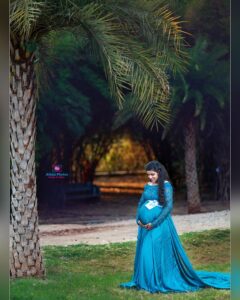
Many families incorporate a dedicated photoshoot element into their Valaikappu. If you’re planning baby shower photoshoot poses at home, prepare the setup in advance. The decorated ceremony area often doubles as a perfect photoshoot backdrop with minor adjustments.
Schedule the formal photoshoot either before guests arrive or during a designated time when the mother-to-be looks fresh and feels comfortable. Explore various baby shower photoshoot ideas and poses for 2025 beforehand to maximize your session efficiency.
Natural light works beautifully for home photoshoots. Position your ceremony area near large windows or in a well-lit room. Avoid harsh overhead lights by shooting during late morning or early afternoon when natural light is abundant but not harsh.
Return Gifts That Guests Will Actually Appreciate
Return gifts express gratitude to guests for celebrating this special time with you. For a simple Valaikappu, choose meaningful over expensive.
Practical gifts aligned with the celebration’s theme work wonderfully. Small packets of kumkum with decorative containers, scented candles with traditional fragrances like jasmine or sandalwood, or beautifully packaged dry fruits or homemade sweets show thoughtfulness without breaking your budget.
For a personal touch, many families create custom return gifts featuring the baby’s expected arrival month or a sweet message. Small plants with tags reading “Watch me grow” parallel your baby’s journey and give guests something living to nurture. These creative touches make simple gifts memorable.
Budget ₹100-₹200 per family for return gifts. This range allows for quality items without excessive spending. Remember, guests attend to celebrate with you, not to receive expensive gifts—the thought truly matters more than the price tag.
Managing the Day-Of Logistics
Even the most carefully planned Valaikappu needs smooth execution on the actual day. Strategic preparation the day before makes everything run seamlessly.
Pre-Event Preparation
The day before, complete all decoration setup, arrange furniture for optimal flow, prepare any make-ahead food items, and organize the prayer area. This advance work means you’ll wake up on the ceremony day with most tasks completed.
Create a clear timeline for the event day and share it with family members helping you. Assign specific responsibilities—one person welcomes guests, another coordinates photography, someone manages food service. Clear role distribution prevents confusion and ensures everything happens smoothly.
Keep the expectant mother’s comfort paramount. She should have minimal responsibilities beyond being present and enjoying the celebration. Designate someone to stay attentive to her needs throughout the event—whether it’s adjusting cushions, offering water, or giving her space when she needs rest.
Handling Common Concerns and Challenges
Several common worries plague families planning home Valaikappu functions. Let’s address these head-on with practical solutions.
Space Limitations
If your home feels small for your guest list, get creative with space utilization. Combine adjacent rooms by removing temporary barriers if possible. Use your balcony or terrace for refreshment stations or mingling areas. Consider staggered timing where some guests arrive early and others later, preventing everyone from crowding simultaneously.
Alternatively, embrace the intimate nature of smaller spaces. Sometimes a cozy, close-knit gathering where everyone feels connected creates more meaningful memories than a sprawling event where guests feel disconnected.
Weather Concerns
For ceremonies using outdoor spaces like terraces or gardens, have a backup plan for unexpected weather. Arrange for easy-to-set-up canopies or large umbrellas. Keep the core ceremony area indoors while using outdoor spaces for supplementary activities or refreshments.
Managing Family Expectations
Different family members often have varying expectations for traditional ceremonies. Some may want elaborate rituals while others prefer simplicity. Navigate these dynamics through open communication before planning begins. Discuss your vision with key stakeholders, respect traditional elements important to elders, and compromise where possible while maintaining your core preferences.
Remember, this is YOUR baby’s Valaikappu. While honoring family traditions matters, the celebration should ultimately reflect what feels right for you and your growing family.
Post-Ceremony Follow-Up
After the guests leave and the excitement settles, a few thoughtful follow-up actions complete your Valaikappu experience beautifully.
Send thank-you messages within a week, sharing a group photo from the event if possible. This simple gesture acknowledges guests’ participation and strengthens those important family bonds. For guests who gave generous gifts or helped significantly with arrangements, consider a personal call or handwritten note.
Organize and back up all photos and videos promptly. Create albums or folders with clear labels so these precious memories remain accessible for years. Consider making a small photo book or digital compilation to share with close family members—these become treasured keepsakes.
Making It Uniquely Yours
While this guide provides a comprehensive framework, remember that the most memorable Valaikappu functions incorporate personal touches that reflect your family’s unique story and values.
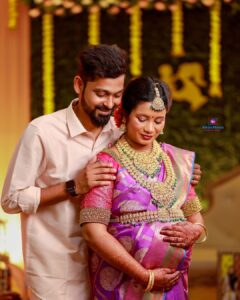
Perhaps you have a family heirloom—a special saree or jewelry piece—that the mother-to-be could wear during the ceremony. Maybe there’s a traditional song or prayer specific to your family’s heritage that could be included. These personal elements transform a standard ceremony into something distinctly meaningful to your family.
Consider incorporating elements from both sides of the family, especially if different regional traditions are involved. Blending customs creates richness and shows respect for everyone’s heritage, making the celebration truly inclusive.
Embracing Simplicity as Strength
Planning a simple Valaikappu function at home isn’t about cutting corners or settling for less—it’s about focusing on what truly matters. By hosting at home, you create an intimate, comfortable environment where genuine connections flourish and meaningful traditions take center stage.
The absence of elaborate venue setups and extensive formalities often reveals the ceremony’s true essence: celebrating new life, strengthening family bonds, and surrounding the expectant mother with love and positive energy. These elements cost nothing but mean everything.
As you plan your Valaikappu, remember that perfection isn’t the goal—presence is. The most beautiful moments often happen spontaneously: a grandmother’s eyes welling up as she places bangles on her daughter’s wrists, cousins laughing together over shared memories, the collective joy radiating through your home as family gathers in celebration.
Your simple, home-based Valaikappu will be perfect precisely because it comes from your heart and reflects your family’s authentic values. Trust the process, embrace the support around you, and prepare to create memories that will warm your heart for decades to come.
Frequently Asked Questions About Planning a Simple Valaikappu at Home
What is the ideal guest count for a home Valaikappu function?
For a comfortable home ceremony, aim for 20-40 guests. This number creates an intimate atmosphere while ensuring your space doesn’t feel cramped. Consider your home’s actual capacity—guests should be able to move around comfortably, sit during the ceremony, and enjoy refreshments without feeling squeezed. If your space is particularly small, 15-25 guests might be more appropriate. Remember, quality of connection matters more than quantity of attendees.
How much does a simple home Valaikappu typically cost?
A well-planned simple Valaikappu function at home typically costs between ₹15,000-₹30,000. This budget covers decorations (₹3,000-₹5,000), food and refreshments (₹8,000-₹15,000), bangles and ceremony items (₹1,500-₹3,000), return gifts (₹2,000-₹4,000), and miscellaneous expenses. Photography represents the most variable cost—professional photography adds ₹5,000-₹15,000 depending on the package, while using family members keeps this cost minimal. Your exact budget will depend on guest count, menu choices, and how much you DIY versus purchase ready-made.
When should we start planning the Valaikappu ceremony?
Begin planning 4-6 weeks before your intended ceremony date. This timeline allows adequate time to book a photographer if desired, coordinate with family members who may be traveling, order or prepare decorations, and arrange food without last-minute stress. However, if you’re working with a simpler setup and smaller guest list, 2-3 weeks can suffice. The key is starting early enough that you’re not scrambling in the days before the event, which should be focused on the mother-to-be’s rest and excitement rather than logistics.
Can we host a Valaikappu if we have limited space?
Absolutely! Limited space actually encourages intimacy, which enhances the ceremony’s emotional impact. For smaller homes, maximize your space by removing unnecessary furniture temporarily, utilizing vertical space with hanging decorations rather than floor-standing ones, and creating distinct zones—ceremony area, refreshment station, mingling space—using rugs or fabric draping. Consider having the formal ceremony indoors while using balconies or terraces for refreshments. If your home truly can’t accommodate your desired guest count, prioritize inviting those closest to you—a Valaikappu with 15 genuinely connected people will be more meaningful than 50 distant acquaintances.
What are the must-have traditional elements we shouldn’t skip?
The core must-have elements include: green and red glass bangles (the ceremony’s centerpiece), a small prayer or pooja before the bangle ceremony, traditional sweets like payasam or kesari, kumkum and turmeric for the auspicious ritual, and blessings from elders. These elements connect your celebration to its traditional roots regardless of how simple the other aspects are. Everything else—elaborate decorations, extensive menus, expensive return gifts—enhances the experience but isn’t essential to the ceremony’s meaning and validity.
How do we handle both vegetarian and non-vegetarian guests?
The simplest approach is offering a predominantly vegetarian menu with one special non-vegetarian dish for those who prefer it. Many traditional Valaikappu functions are entirely vegetarian, so this is perfectly acceptable. If including non-vegetarian items, clearly label them and keep them separate from vegetarian dishes. Consider serving non-vegetarian items in a separate area to respect guests who prefer strict vegetarian dining. Communicate your menu plan to guests beforehand if you’re concerned about accommodating everyone’s preferences—this allows people to eat accordingly or bring supplementary items if they have specific dietary requirements.
Should we hire a professional photographer or rely on family members?
This decision depends on your priorities and budget. Professional photographers bring expertise in capturing the perfect moments, understanding ideal angles and lighting, and creating a cohesive collection of images. They’re especially valuable if you want high-quality photos for albums or if the Valaikappu includes a dedicated photoshoot session. However, talented family photographers can produce beautiful results, especially with modern smartphone cameras and some basic direction. A middle-ground approach works well: designate a skilled family member as the primary photographer and brief them on must-capture moments, while also creating a shared album where all guests can contribute their photos. This ensures broad coverage without the professional photography investment.
What if the expectant mother gets tired during the ceremony?
Plan for this possibility from the start. Keep the core ceremony relatively short—30-45 minutes maximum for the bangle ritual and blessings. Create a comfortable, easily accessible seating area where the mother can rest between activities. Schedule natural breaks in the event flow—after the ceremony, before food service—when she can retreat briefly to a quiet room if needed. Designate a family member as her personal attendant to monitor her comfort and energy levels throughout. Remember, the celebration is for her, so her comfort takes absolute priority over any schedule or plan. Guests will understand if the event wraps up earlier than planned or if certain activities are shortened.
How can we make the Valaikappu eco-friendly?
Choose sustainable decoration options like fresh flowers instead of plastic, cloth draping instead of synthetic banners, and reusable traditional items over disposable decorations. For food service, use your regular plates and glasses rather than disposables, or if you must use disposables, opt for biodegradable options made from palm leaves or sugarcane fiber. Avoid plastic return gift packaging—use cloth pouches, paper bags, or small cardboard boxes instead. Consider return gifts that are useful or consumable rather than items that might end up in landfills. Encourage guests to carpool if traveling from the same area, reducing the event’s overall carbon footprint. These eco-conscious choices often cost less while honoring the ceremony’s core purpose of celebrating new life and future generations.
Can we include non-Tamil guests in the ceremony meaningfully?
Absolutely! Non-Tamil guests often appreciate learning about cultural traditions. Provide a brief overview of Valaikappu’s significance either through a small program card or a brief verbal explanation before the ceremony begins. Translate key moments during the ritual so everyone understands what’s happening. Invite all guests to participate in placing bangles and offering blessings—this universal gesture of goodwill transcends cultural boundaries. Many families create multilingual elements—welcome messages in multiple languages or explanatory notes about traditional items—that make everyone feel included. The genuine warmth of celebration bridges any cultural differences, making the experience enriching for guests from all backgrounds.