Your wedding ceremony may be where you say “I do,” but the reception is where the real celebration begins. It’s the moment when you can finally relax, enjoy the company of loved ones, and create stunning photographs that capture the joy of your special day. Yet, many couples find themselves feeling awkward or unprepared when the photographer asks them to pose during the reception. The bright lights, the crowd of guests watching, and the pressure to look perfect can transform what should be a joyful moment into a stressful one.
If you’ve ever scrolled through wedding albums and wondered how some couples look so natural and radiant in their reception photos while others appear stiff and uncomfortable, you’re not alone. The secret isn’t just about having a great photographer—it’s about understanding the art of posing, knowing which angles work best, and having a plan that helps you feel confident and authentic in front of the camera.
Understanding the Unique Nature of Reception Photography
Reception photography differs significantly from your ceremony or pre-wedding shoots. The lighting is often challenging, with a mix of ambient venue lights, colored uplighting, and flash photography. The atmosphere is more dynamic, with guests moving around, music playing, and various events happening simultaneously. This environment requires a different approach to posing—one that balances elegance with spontaneity.
Many couples make the mistake of trying to recreate the formal, posed looks from their wedding photoshoot poses during the reception. While some structured shots are essential, reception photography shines when it captures genuine emotion and celebration. The key is finding the sweet spot between guided posing and natural interaction.
The Foundation: Building Your Reception Photo Strategy
Before we dive into specific poses, it’s crucial to understand that successful reception photography starts with preparation. Unlike your pre-wedding photoshoot where you might have hours to perfect each shot, reception moments are fleeting. You need to work efficiently while maintaining quality.
Start by discussing your vision with your photographer at least two weeks before the wedding. Share examples of poses you love and, equally important, poses you want to avoid. If you’re working with photographers experienced in candid wedding photography, they’ll have a wealth of ideas, but your input ensures the photos reflect your personality as a couple.
Classic Entrance and Grand Reveal Poses
Your entrance to the reception sets the tone for the entire evening. This is your moment to make a statement, and the photographs from this moment will be among the most cherished in your album. The classic hand-in-hand entrance never goes out of style—hold hands with your partner, keep your shoulders back, and walk in with confidence. The photographer can capture you from various angles: from the front showing your expressions, from the side highlighting your profiles, or from behind showcasing the grandeur of the venue and your guests’ reactions.
For a more dramatic entrance, consider the showstopper spin. As you enter, have your partner twirl you gently, allowing your outfit to flow and creating dynamic movement in the photos. This works particularly well if you’re wearing a lehenga, gown with a flowing train, or any outfit with beautiful draping. The key is to practice this move once or twice before the actual moment to ensure smooth execution.
Another stunning option is the symmetrical walk, where you both walk in perfect sync, facing forward with linked arms. This pose exudes elegance and unity, and it photographs beautifully when captured from a slightly elevated angle. Your photographer can position themselves on stairs or a platform to get this perspective.
Intimate Moments at the Sweetheart Table
The sweetheart table provides a perfect backdrop for intimate couple poses. Unlike the ceremony where formality reigns, the reception allows for more relaxed, romantic shots. The classic lean-in is timeless—sit close together, with one partner leaning their head gently on the other’s shoulder while maintaining eye contact with the camera. This pose conveys comfort and intimacy without appearing overly staged.
Try the whisper pose for something more candid. Lean in close as if sharing a private joke or sweet nothing. The photographer can capture genuine smiles and laughter that result from this interaction. You don’t actually need to say anything profound—sometimes just whispering “we’re married!” or “I can’t believe we pulled this off” creates authentic joy that translates beautifully on camera.
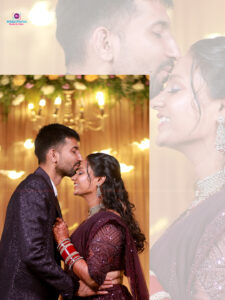
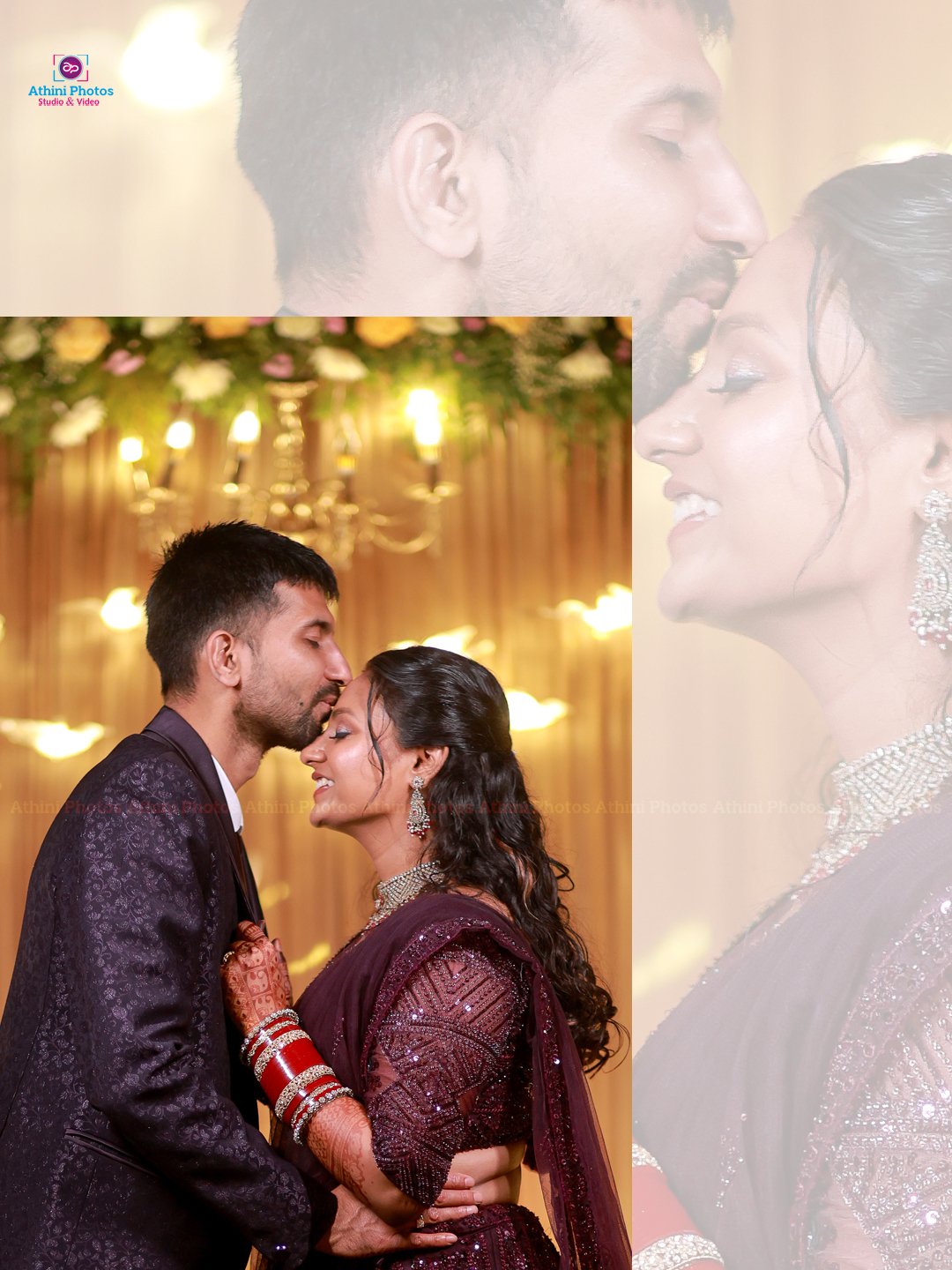
The forehead touch is another powerful pose for the sweetheart table. Lean forward until your foreheads gently touch, close your eyes, and simply breathe together for a moment. This creates an incredibly intimate, emotional photograph that doesn’t require you to look at the camera at all. It’s a pause in the celebration—a quiet acknowledgment of your bond amidst all the excitement.
Dynamic Dancing Poses That Capture Movement
Your first dance is one of the most anticipated moments of the reception, and capturing it requires understanding how movement translates to still photography. The classic dip is a must-have shot—your partner holds you securely as you lean back gracefully. The key to a great dip photo is trust and communication. Practice this beforehand to ensure you both feel comfortable and secure.
For couples who want something less formal, the joyful sway captures authentic emotion. Simply hold each other close and sway naturally to the music. Let your photographer circle around you, capturing different angles. Some of the most beautiful reception photos come from these unposed moments where you’re genuinely lost in the music and each other.
The twirl and catch pose adds playfulness to your marriage photoshoot. Your partner releases your hand for a gentle twirl, then catches you back in an embrace. This creates a series of shots showing movement and joy rather than just one static image.
Utilizing Your Reception Venue’s Features
Every reception venue has unique architectural elements that can elevate your couple poses. Staircases offer incredible opportunities for dramatic photography. Try the ascending staircase pose where one partner stands a few steps higher, creating interesting height dynamics and allowing both faces to be clearly visible. The grand staircase pose works beautifully for Muslim wedding ceremonies and Christian wedding photography alike.
Window lighting creates soft, romantic photographs. Stand facing each other near a large window, with the natural or ambient light creating a gentle glow. The silhouette kiss against window light is particularly stunning—your profiles are outlined by the backlight as you share a kiss, creating a artistic, timeless image.
Doorways and archways frame you naturally, drawing the viewer’s eye directly to you as a couple. The threshold pose is symbolic and beautiful—stand in a doorway with one partner slightly leading the other across, representing your journey together into married life.
Group Integration: Posing with Family and Friends
While this guide focuses on couple poses, some of your most treasured reception photos will include loved ones. The key is seamlessly transitioning between couple-only shots and group photos. The champagne toast circle allows you to be surrounded by your closest friends and family, glasses raised, with the photographer capturing both the group and your reactions at the center.
For a more structured group shot that still highlights you as a couple, try the V-formation. You stand at the point of the V, with bridesmaids and groomsmen fanned out on either side, creating depth and keeping you as the focal point. This works wonderfully when you want to showcase your beautiful reception venue while including your wedding party.
Dealing with Common Reception Photography Challenges
Let’s address the elephant in the room—reception lighting is notoriously difficult. Unlike your wedding photoshoot costs in Tamil Nadu carefully planned sessions with perfect lighting, receptions often feature dim, colored, or mixed lighting. The solution isn’t to avoid photos but to work with your photographer to find the best-lit areas of your venue.
Identify three to four well-lit spots during your venue walk-through. These become your go-to locations for couple photos throughout the evening. If your venue has challenging lighting, consider stepping outside for a few shots—nighttime photography with creative lighting can be absolutely magical.
The Art of Natural Hand Placement
One of the biggest challenges couples face is knowing what to do with their hands. Awkward hand placement can make even the most beautiful couple look uncomfortable. The gentle waist hold is a safe, elegant option—one partner’s hands rest naturally on the other’s waist, not too high (which looks awkward) and not too low (which can look inappropriate in photos).
The interlocked fingers hold works beautifully when walking or standing side by side. Hold hands naturally, but turn your hands slightly toward the camera so your rings are visible. After all, you’ve just made this commitment—your rings should shine in your photos.
For the classic embrace, one partner’s arms wrap around the other’s neck or shoulders while the other’s hands rest on their partner’s waist or lower back. The key is to maintain some space between your bodies—pressing too close can look awkward from certain angles.
Cultural Considerations for Traditional Wedding Receptions
Different cultural traditions bring unique elements to reception photography. For couples planning a traditional celebration, incorporating cultural poses adds meaningful depth to your photo collection. The blessing pose captures beautiful moments where elders bless the couple—have your photographer ready for these spontaneous, emotion-filled moments.
In many Indian wedding trends, the couple performs various rituals during the reception. Coordinate with your photographer to ensure they understand the sequence of events and the cultural significance of each moment. This preparation ensures no important shot is missed.
Creating Storytelling Sequences
Modern reception photography has moved beyond single, static poses toward creating storytelling sequences. The cake cutting sequence is perfect for this approach. Rather than just the standard cutting shot, your photographer can capture the approach to the cake, the cutting moment, the feeding each other (playful or romantic), and your reactions. These four to five images together tell a complete story.
Similarly, the gift exchange moment with parents or in-laws can be captured as a sequence—the presentation, the opening, the emotional reaction, and the embrace that follows. These sequences provide more context and emotion than any single pose could achieve.
Weather Contingencies and Backup Plans
If you’re planning an outdoor reception or hoping to step outside for photos, have a weather backup plan. Rain doesn’t have to ruin your photos—some of the most stunning reception shots feature couples with elegant umbrellas or dancing in the rain. The key is having the right mindset and a photographer who can adapt quickly.
For indoor receptions during inclement weather, scout out the most photogenic indoor spaces. Large windows, interesting architecture, or even dramatic curtains can serve as beautiful backdrops for your marriage reception photoshoot.
The Golden Hour Advantage
If your reception timing allows, take advantage of the golden hour—that magical time just before sunset when natural light is soft and flattering. Step outside with your photographer for just 10-15 minutes during this time. The warm, glowing light will create stunning images that stand out from your indoor reception shots.
The silhouette against sunset is particularly breathtaking. Stand close together with the setting sun behind you, creating a dramatic outline of your profiles. Your photographer can balance the exposure to capture both your silhouettes and the colorful sky.
Incorporating Your Personal Style
Your reception poses should reflect who you are as a couple. If you’re naturally playful and fun-loving, incorporate jumps, dips, and laughter into your poses. If you’re more reserved and elegant, stick with sophisticated, intimate poses that feel authentic to your relationship.
Consider incorporating elements that represent your journey together. If you bonded over a shared hobby, subtly reference it in a pose. If you have a signature dance move, let your photographer capture it. These personal touches make your photos uniquely yours.
Technical Considerations for Perfect Poses
Understanding a few photography basics helps you pose more effectively. Always angle your body slightly rather than facing the camera straight-on—this creates a more flattering line and adds dimension to the photo. The 45-degree angle is universally flattering and works for most body types and outfits.
Keep your chin slightly forward and down to avoid unflattering neck angles. This small adjustment makes a huge difference in how your face appears in photos. Practice this in a mirror before your reception so it feels natural.
Making the Most of Your Photography Timeline
Reception photography often gets compressed due to time constraints. Create a shot list with your photographer, prioritizing your must-have poses. Allocate specific times for couple photos—perhaps 15 minutes right after entering the reception, 10 minutes during cocktail hour, and a few moments stolen here and there throughout the evening.
Quality trumps quantity. It’s better to have 20 stunning, well-executed poses than 50 rushed, mediocre shots. Work with your photographer to identify the top 10-15 poses you absolutely want, then let the rest of the evening unfold naturally for candid captures.
Post-Reception Golden Opportunities
Some of the most breathtaking reception photos happen at the very end of the celebration. The sparkler exit creates magical, romantic images with points of light surrounding you as a couple. The key is timing—have your photographer position themselves to capture both the sparklers and your expressions.
The final dance, when most guests have left and the energy becomes more intimate, offers opportunities for genuine, relaxed poses. Without the pressure of everyone watching, couples often look more natural and at ease.
Wardrobe Considerations for Reception Poses
Your reception outfit significantly impacts which poses work best. If you’re wearing a saree, certain draping can be highlighted with specific poses. A lehenga flows beautifully in twirling poses. A suit or tuxedo looks sharp in structured, elegant poses.
Plan for an outfit change if you want more dynamic, movement-based poses. Many couples start with traditional attire for formal photos, then change into more comfortable clothing that allows for dancing and playful poses.
Working with Your Photographer: Communication is Key
The best reception photos result from strong communication between you and your photographer. Share your comfort level with posing—if you’re camera-shy, let them know so they can guide you more actively. If you’re confident and creative, they can give you more freedom to improvise.
Establish a signal system for when you need a break or want to try something different. Wedding days are long and exhausting, and you should never feel pressured to continue posing when you need a moment to simply enjoy your celebration.
Post-Production and Final Thoughts
Remember that professional editing enhances your photos significantly. Trust your photographer’s vision for color correction, lighting adjustments, and artistic edits. The raw images you might see on the back of the camera don’t represent the final product.
Your reception photos will become more precious as years pass. They capture not just how you looked, but how you felt—the joy, the love, the celebration of your union with everyone you care about. Choose poses that feel authentic to you, trust your photographer’s expertise, and most importantly, stay present in the moments you’re capturing.
Frequently Asked Questions
How many couple poses should we plan for our reception?
Aim for 10-15 planned poses throughout your reception. This gives you variety without consuming too much time from your celebration. Your photographer will also capture dozens of candid moments between these posed shots, creating a comprehensive collection.
What if we feel awkward posing in front of our guests?
This is completely normal! Most couples feel self-conscious at first. Start with simple, natural poses like holding hands or embracing. As you relax, you’ll feel more comfortable. Remember, your guests are celebrating with you, not judging you. Consider stealing away to a quiet corner for more intimate couple shots if the crowd feels overwhelming.
Should we coordinate our reception poses with our ceremony photos?
While there will be some overlap, reception poses can be more relaxed and celebratory than ceremony photos. The ceremony calls for formal, traditional poses, while the reception allows for playful, dynamic shots. Think of them as complementary rather than repetitive.
How do we ensure our photographer captures all the important moments?
Provide your photographer with a detailed timeline of reception events—entrance, first dance, cake cutting, bouquet toss, etc. Build in buffer time for couple photos. A good photographer will anticipate important moments, but clear communication ensures nothing is missed.
What’s the best time during the reception for couple photos?
The golden hour (just before sunset) offers the most beautiful natural light if your timing allows. Otherwise, schedule couple photos during cocktail hour when guests are occupied and you can step away briefly. Also take advantage of natural breaks in the reception schedule.
How can we make our reception photos unique and not look like everyone else’s?
Incorporate personal elements—inside jokes, special handshakes, favorite songs, or meaningful locations within your venue. Discuss your relationship personality with your photographer so they can suggest poses that fit your dynamic. Don’t be afraid to skip trendy poses that don’t feel authentic to you.
Should we practice poses before the reception?
Light practice helps, especially for dynamic poses like dips or twirls. However, don’t over-rehearse to the point where poses feel mechanical. Your wedding photos should feel natural, not choreographed. Review pose examples together and discuss what feels comfortable.
How long should we dedicate to couple photos during the reception?
Plan for 20-30 minutes total throughout the evening, broken into shorter sessions. This might be 10 minutes after your entrance, 10 minutes during golden hour, and spontaneous moments throughout. This ensures you get great photos without missing too much of your own party.
What should we do if the lighting at our venue is poor?
Scout well-lit areas during your venue walk-through. Areas near windows, under chandeliers, or even just outside the venue entrance often have better lighting. Professional photographers have equipment to handle challenging lighting, but identifying good spots helps. Consider adding candid wedding photography to capture natural moments in any lighting.
Are there poses we should avoid at the reception?
Avoid overly complicated poses that require significant setup time—you’ll miss your celebration. Skip poses that feel unnatural to your relationship. Also avoid poses that might be uncomfortable given your attire or the venue layout. When in doubt, choose elegance and authenticity over trendiness.