
The journey to motherhood is a beautiful tapestry of emotions, rituals, and anticipation. Among the most cherished pre-natal celebrations in South Indian culture is the Seemantham (also known as Baby Shower or Valaikappu), a function steeped in tradition, blessings, and joy. If you’re planning this special day, you might be asking a crucial question: What is the best time for Seemantham function?
This comprehensive guide will not only answer that but also walk you through everything you need to know to plan a meaningful, smooth, and beautifully captured celebration.
Understanding the Significance of Seemantham
Before we dive into logistics, it’s essential to appreciate the heart of the ritual. Seemantham is more than a party; it’s a sacred samskara (rite of passage) performed during pregnancy to bless the mother and the unborn child. It celebrates the mother’s transition, invokes divine protection, and surrounds her with the positive energy and wisdom of the women in her family and community. The rituals, the music, the applying of turmeric, and the slipping of bangles (valaikappu) are all symbolic acts of wishing for a safe delivery and a healthy baby.
What is the best time for Seemantham function? (Tradition vs. Practicality)
The “best time” for a Seemantham function is a blend of scriptural tradition, maternal well-being, and modern practicality. Let’s break it down.
Traditional Timing: Following the Shastras
According to ancient Hindu texts like the Grihya Sutras, the Seemantham ceremony is ideally performed during the 7th or 8th month of pregnancy. This timing is deeply symbolic and practical:
-
Why the 7th Month? It is traditionally believed that the baby’s consciousness becomes more pronounced in the seventh month. The ceremony seeks to bless this developing life force and prepare the mother mentally and spiritually for the final trimester.
-
Why the 8th Month? This is often considered the last safe window for the mother to comfortably participate in and enjoy a semi-public function before she needs to rest and prepare for delivery. It’s a period of celebration before the quiet focus of the final weeks.
-
Avoiding the 9th Month: Traditionally, the 9th month is avoided for major gatherings, as the focus shifts entirely to rest, final preparations, and the imminent delivery.
Modern & Practical Considerations
While tradition gives us a framework, modern life demands we consider comfort, health, and logistics.
Considering Maternal Health and Comfort
The mother’s comfort is paramount. The second trimester (months 4-6) is often when morning sickness subsides and energy levels are higher. However, the baby bump might not be as prominent for those coveted maternity photos. The early 8th month often strikes the perfect balance: a beautiful, pronounced bump, reasonable energy, and a lower risk of early labour compared to the later weeks.
The Role of Weather and Season
This is a critical, often overlooked factor. If you’re in a place like Coimbatore, planning an outdoor or partially outdoor function during peak summer can be uncomfortable. Similarly, the monsoon might pose logistical challenges.
-
Ideal: The cooler, pleasant months. This ensures the expectant mother and guests are comfortable, whether the event is at home or a venue.
-
For Photography: Soft, natural light (like during early mornings or late afternoons) is flattering. Consider the sun’s position if you have rituals planned near windows or outdoors. For stunning visual ideas, explore our guide on Traditional Seemantham photoshoot poses that work in any light.
Logistics and Guest Availability
Weekends are obvious, but also consider:
-
Family Travel: If close family is coming from out of town, a weekend might be best.
-
Venue Availability: Popular venues get booked quickly. Once you have an approximate date, secure the location.
-
Vendor Coordination: Ensure your photographer, caterer, and decorator are available. Speaking of photographers, a professional who understands the cultural nuances can make all the difference. Learn why in our article on how a baby shower photoshoot can add fun and emotion to your day.
Crafting Your Perfect Seemantham Day: A Step-by-Step Guide
Now that we’ve pinpointed the ideal timing for your function, let’s move on to planning the beautiful elements that will make your day truly memorable and stress-free. This step-by-step guide will help you navigate the planning process with ease.
Step 1: Fixing the Muhurtham (Auspicious Time)
The first and most sacred step is consulting with a family elder or a trusted priest to select the Muhurtham. This auspicious date and time is chosen within the preferred window of the 7th or 8th month, often based on the mother’s birth star or nakshatra. This ritualistic timing is believed to align the celebration with positive cosmic energies, blessing the mother and child for a safe journey ahead. Securing this date early is crucial as it sets the foundation for all other bookings.
Step 2: Choosing the Perfect Setting
The venue sets the tone for your entire celebration. Do you envision an intimate, traditional gathering at home, or a larger celebration in a formal hall? Each option has its unique charm and advantages.
An intimate gathering at home offers unparalleled comfort, tradition, and ease for the expectant mother. It provides a personal and cozy backdrop that is perfect for a candid indoor baby shower photoshoot, where every corner holds meaning. For larger families or if you prefer a more streamlined event, a temple hall or banquet facility offers more space, built-in amenities, and less post-event cleanup, allowing the family to fully immerse in the moment.
Step 3: Planning the Rituals and Festivities
The heart of the Seemantham lies in its beautiful rituals. Sit down with your family to decide on the flow of the ceremony. Typically, the event begins with a traditional pooja, involving Vedic chants that invoke blessings. The highlight for many is the Valaikappu ceremony, where glass bangles are gently slipped onto the mother’s wrists amidst joyful songs, symbolizing protection and prosperity.
This is often followed by the application of haldi (turmeric) and kumkum, a ritual of purification and blessing. The celebrations then gracefully transition into a sumptuous feast, often featuring traditional fare like sundal and sweets, and the presentation of gifts for the mother and the awaited baby. Planning this sequence ensures the event feels seamless, respectful, and joyous.
Step 4: Dressing for the Occasion
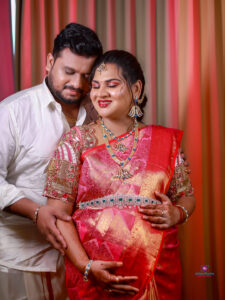
As the centerpiece of the day, the expectant mother’s comfort and radiance are key. Traditional silk sarees in auspicious bright colours like yellow, red, or green are perennial favorites. The most important tip is to ensure the draping is comfortable and not restrictive. For a cohesive and magnificent look in your family portraits, coordinating traditional outfits for the couple is a wonderful idea. For inspiration on beautiful and comfortable ensembles, you can explore our curated list of Seemantham outfit ideas for both parents.
Step 5: Capturing the Memories – The Photoshoot
This is where fleeting moments are transformed into lifelong treasures. Thoughtfully planning your photoshoot is crucial. Discuss with your photographer a mix of classic portraits that highlight your joy, candid shots of the rituals, and intimate family moments.
For the expecting mother, classic portraits gently cradling the baby bump are timeless. Candid moments with her parents, in-laws, and sisters during the rituals capture raw emotion and familial love. For the couple, intimate and joyful poses that tell your unique story of anticipation are priceless. We have a dedicated guide full of baby shower couple poses that can help you visualize these moments.
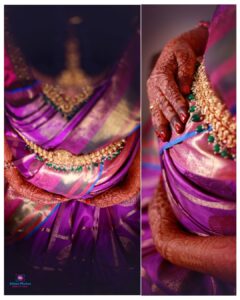
Incorporate traditional elements like the manjal (turmeric), the stack of bangles, and fresh flowers as beautiful, meaningful props in your photos. A close-up shot of the mother’s henna-adorned hands resting on her bump is a deeply personal and timeless capture.
Choosing the right photographer is perhaps the most important decision for your memories. Look for someone experienced in candid, traditional photography who understands the cultural nuances and knows how to be unobtrusive during sacred rituals while being creatively directive during portrait sessions. Their expertise is invaluable for authentically capturing the emotion of your Tamil baby shower.
Navigating Common Questions About Seemantham
You might still have a few questions as you plan, so let’s address some of the most common ones.
What is the ideal month for Seemantham?
As per tradition and modern practical comfort, the 7th or 8th month of pregnancy is considered ideal. Many find the early 8th month to be the perfect sweet spot, offering a beautifully pronounced bump while ensuring the mother still has ample energy to enjoy her celebration.
Can Seemantham be done in the 6th month?
Yes, it certainly can be performed in the 6th month, especially if there are health considerations or specific logistical needs. While this is slightly earlier than the traditional timeline, the core focus—blessing the mother and child—remains timeless and always appropriate.
What should be avoided during Seemantham?
The primary goal is the mother’s comfort and well-being. Avoid overly crowded or chaotic environments that could cause unnecessary stress. Ensure she has a comfortable seat and does not need to stand for extended periods. Most importantly, from a health perspective, it is generally advised to avoid scheduling the function too late in the 9th month.
What are some unique Seemantham photoshoot ideas?
Beyond traditional portraits, consider generational shots with the mother’s own childhood photos, elegant silhouette shots during the golden hour, or beautiful detail shots focusing on the rituals—like hands applying haldi or the cascade of bangles. For more creative concepts and a comprehensive look, you can browse our ultimate guide to baby shower photoshoots.
How can I make my Seemantham function unique?
Personalize your celebration to reflect your story. Consider personalized decor using motifs from the mother’s saree, setting up themed food stations alongside the traditional feast, creating a memory wall with instant photos for guests to leave wishes, or even including a charity corner where guests can contribute to a children’s cause in the baby’s honor.
Planning your Seemantham is an act of love. By thoughtfully choosing the time—balancing tradition with the mother’s well-being—and focusing on the meaningful rituals and memories, you create more than just an event; you create a foundation of joy and blessing for the new life about to arrive.
Remember, the “best time” is not just a date on the calendar. It’s the moment when the mother feels surrounded by love, celebrated by her community, and ready to embrace the beautiful journey ahead. Let every detail, from the chosen muhurtham to the final photograph, reflect the sacredness and happiness of this once-in-a-lifetime celebration.
Ready to capture these irreplaceable moments? Explore our specialized Seemantham and maternity photography services to see how we can help you preserve the emotion, tradition, and beauty of your special day.